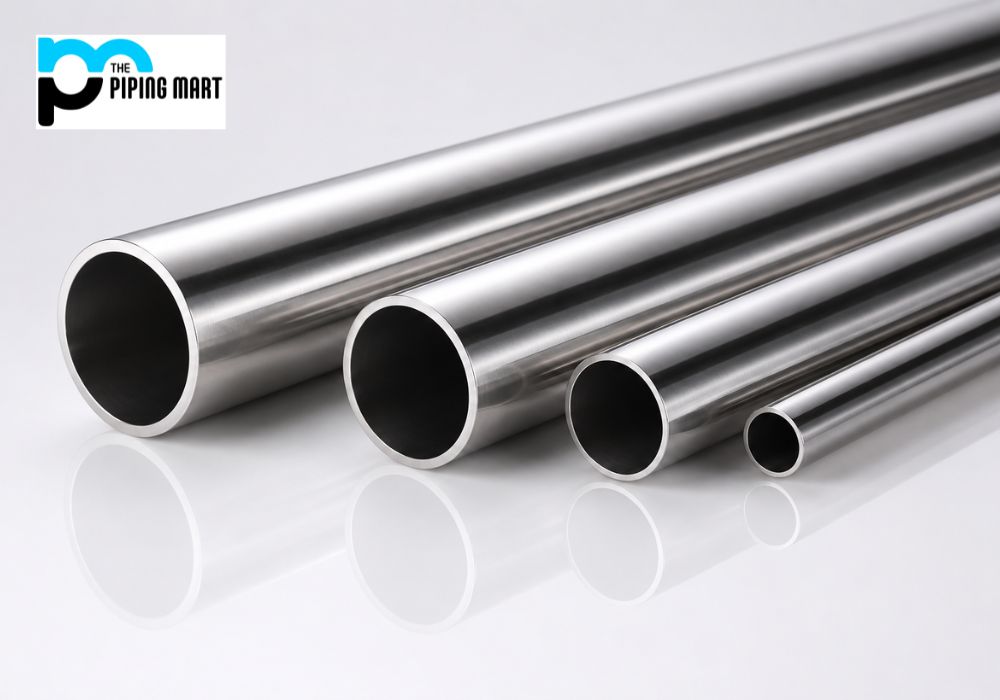
SS 304 is one of the most frequently specified grades in industrial procurement, and for good reason. The 18% chromium and 8% nickel composition gives it reliable corrosion resistance across a broad range of service environments. But within the stainless steel 304 tube category, there is considerable variation in how these tubes are produced, what shape they come in, and what surface condition they are supplied in. These are not minor differences. They affect pressure ratings, fabrication compatibility, hygiene compliance, and total cost. This article covers the main types of stainless steel 304 tubes based on manufacturing process, geometry, and surface finish, along with the technical basis for selection.
What Are Stainless Steel 304 Tubes?
Stainless steel 304 tubes are hollow sections manufactured from AISI 304 austenitic stainless steel. They are produced in accordance with standards such as ASTM A213, ASTM A269, ASTM A249, or ASTM A554, depending on the intended application. The grade provides reliable mechanical qualities at moderate temperatures and performs well in oxidising conditions. This grade is not appropriate for prolonged exposure to chloride-rich environments, where grade 316 is the preferred option. SS 304 tubes are available in various outer diameters and wall thicknesses and are used for process piping, heat exchange, structural fabrication, and hygiene needs.
How SS 304 Tubes Are Classified
Types of stainless steel 304 tubes are classified on three technical parameters, such as manufacturing route, cross-sectional shape, and surface finish. The manufacturing route determines mechanical integrity and the required pressure range. The shape defines how the tube behaves under load and how it connects to other components. Surface finish affects corrosion performance, surface hygiene, and compliance with sector-specific standards. In most industrial specifications, all three parameters need to be defined. A tube may be designed properly, but it may still not perform well if the finish is not suitable for the working environment or if the tube shape does not match the required load and support needs. Each type has different technical and cost-related benefits.
Types of SS 304 Tubes Based on Manufacturing Process
The manufacturing process can affect the uniformity of the tube, the integrity of the weld, and the pressure serviceability of the tube. The following are the four main processes involved in SS 304 Tubes.
Seamless SS 304 Tubes
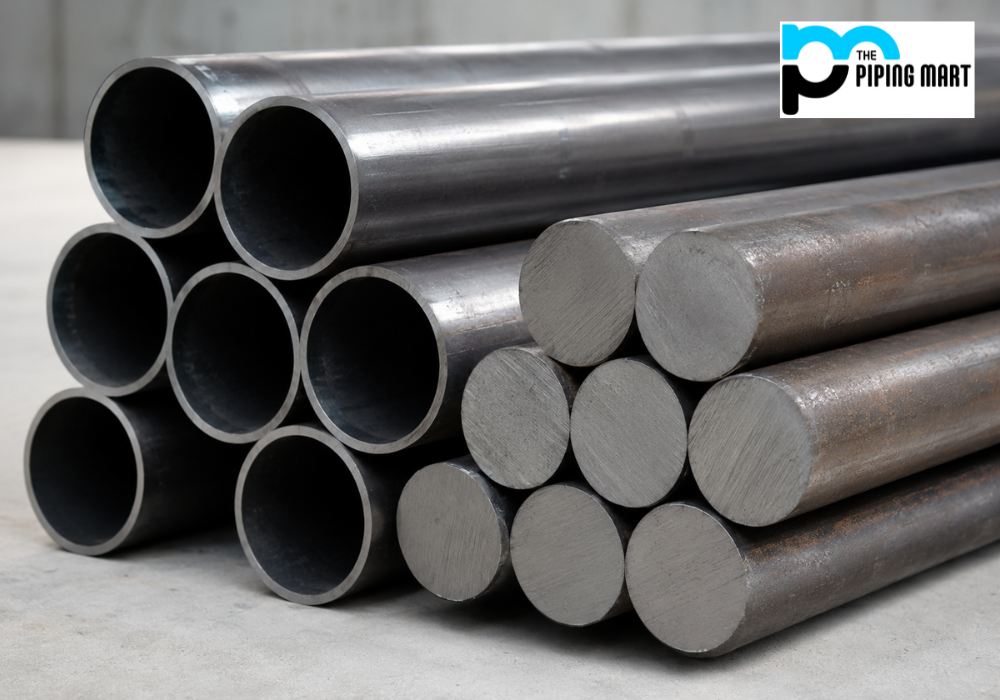
Seamless SS 304 tubes are produced without any welded joints. A solid billet of stainless steel is heated and then pierced and drawn into a tube shape. As there is no seam, these tubes have uniform strength throughout and can handle higher pressure and stress. They are commonly used in hydraulic systems, heat exchangers, and high-pressure fluid lines. Seamless tubes also have better dimensional consistency, which matters in precision applications.
Welded Stainless Steel 304 Tubes
Welded stainless steel 304 tubes are formed by rolling the SS 304 strip into a cylindrical profile and connecting the longitudinal edges by TIG or plasma arc welding. The seam is subsequently annealed and, in sanitary grades, bead-rolled or mechanically finished to restore surface consistency. These tubes are more cost-effective than seamless products and are suitable for low- to moderate-pressure applications. Common uses include process pipework, food and dairy sanitary lines, general industrial piping, and architectural handrail systems. They are also available in larger diameter ranges than seamless tubes of equivalent wall thickness.
ERW Stainless Steel Tubes
In ERW (Electric Resistance Welded) production, a coiled strip is formed into a tube profile through a series of rolls, and the strip edges are joined by applying high-frequency electrical resistance heat. No filler metal is used. ERW stainless steel tubes are produced at high temperatures and offer consistent wall thickness and dimensional accuracy. They are specified for structural steelwork, mechanical tubing, automotive exhaust components, and moderate-pressure industrial pipework. The weld zone in ERW tubes requires post-weld heat treatment or normalising for applications where weld quality must meet documented standards.
EFW Stainless Steel Tubes
EFW (Electric Fusion-Welded) tubes are produced using an arc welding process with filler metal addition. This process is used for larger diameter tubes where the wall thickness exceeds the practical capability of the ERW process. EFW stainless steel 304 tubes are used in large-bore pipelines, pressure vessels, and industrial heat exchangers operating at moderate service pressures. The weld quality in EFW tubes can be tested and certified to meet specific pressure standards.
Types of SS 304 Tubes Based on Shape
Shape determines how a tube integrates into a structure or system. The three most common shapes are round, square, and rectangular.
Round Stainless Steel 304 Tubes
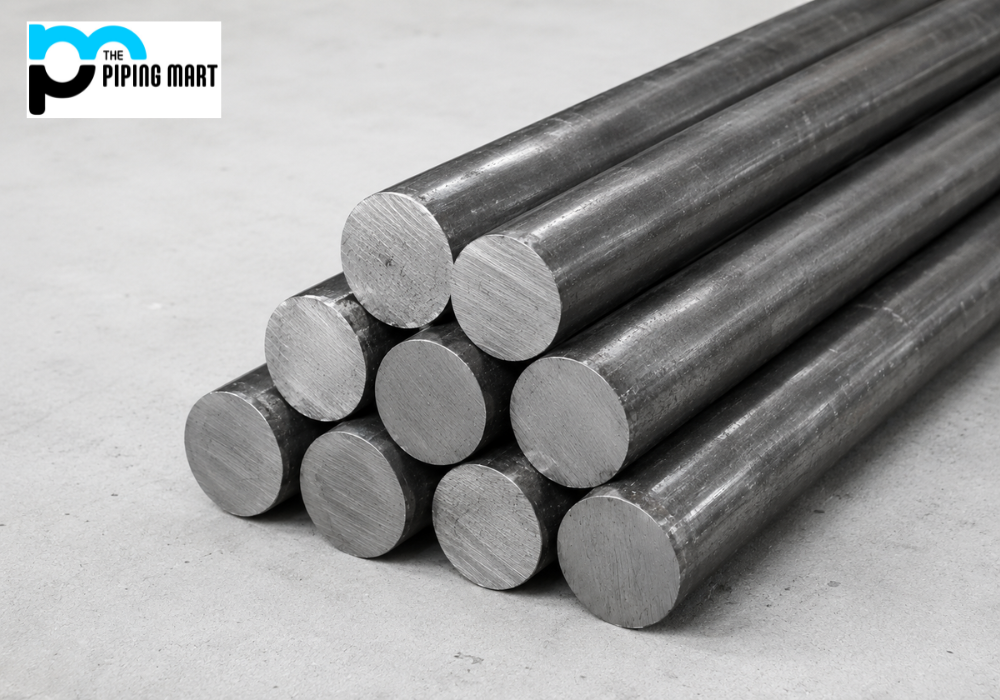
The most common shape is a round tube. These are used to evenly distribute stress around the circumference and are suitable for fluid transfer, pressure containment, and multiple directions of load on the tube. In pipelines, heat exchangers, and in general, plumbing systems, round stainless steel pipes 304 are used. They are more flexible and can be curved into different shapes as well.
Square SS 304 Tubes
The primary applications for square tubes are structural and fabrication uses. They have flat sides which are easier to join at right angles, as may be required in framing, supporting, and equipment housing. Home furniture and flooring, railings, and light structures all use square SS 304 tubing. They have a clean, angular appearance, which is suitable for architectural applications.
Rectangular Stainless Steel 304 Tubes
Rectangular tubes are similar to square tubes but have two sides longer than the other two. This makes them useful when a specific height-to-width ratio is needed for structural strength or fit within a given space. They are commonly used in shelving, structural framing, and conveyor systems. Rectangular stainless steel 304 tubes are also used in architectural cladding and support structures.
Types Based on Surface Finish
Surface finish is a functional specification in SS 304 tubes, not only an aesthetic one. It directly affects corrosion performance, surface hygiene, and compliance with applicable industry standards.
Polished / Mirror-Finish Tubes
These tubes are mechanically polished to create a reflective surface. They can be used in applications where appearance is important, including decorative railings, architectural features, and food-grade equipment. They are also used in pharmaceutical and dairy manufacturing because of their smooth surfaces, allowing for easy cleaning and minimising the risk of bacterial accumulation.
Brushed Finish Tubes
Brushed-finish tubes are finished with an abrasive in one direction, which gives them the same linear texture throughout. The result is a matte/satin surface that will hide some of the minor scratches and fingerprints that a mirror surface would show. They are also used in kitchen fittings, interior design, and commercial fixtures, where a clean but non-reflecting surface is desired.
Mill Finish Tubes
Mill finish is the natural surface of the tube, which has not been treated or polished. Slightly rough and dull in appearance. Mill-finish tubes are those used in industrial applications where surface appearance is not an issue, e.g., structural supports, general engineering, and pipework where the tube cannot be seen. These are the least expensive finishes.
How to Choose the Right Type of SS 304 Tube
Selection should be driven by the operating conditions and the applicable product standard. For pressure service, the governing standard, whether ASTM A213 for heat exchanger tubing or ASTM A269 for general-purpose tubing, will define whether seamless or welded construction is permissible at the required design pressure. Shape is determined by whether the tube is carrying fluid under pressure or serving a structural load path. Surface finish must align with the hygiene classification of the process or the surface quality specification in the design package. Material traceability is a separate but important requirement: mill test reports (MTRs) to EN 10204 3.1 or 3.2 should be confirmed at the time of procurement, along with heat number marking, dimensional tolerances, and compliance with the relevant product standards.
Conclusion
Stainless steel 304 tubes cover a wider technical range than the grade name alone suggests. The manufacturing route sets the pressure ceiling and determines weld integrity. Cross-sectional shape governs structural behaviour and system compatibility. Surface finish is a functional requirement with direct implications for hygiene and corrosion performance. Procurement and engineering teams that accurately describe all three criteria reduce the risk of field failures, fabrication rework, and noncompliance with project specifications. Specification errors are most common when grades are chosen without considering the manufacturing process, shape, or finish. Each decision should be related to a specific service demand.
FAQs
What is the difference between seamless, welded, and ERW SS 304 tubes?
The seamless SS 304 tubes are manufactured from solid billets without any welded seam, resulting in a uniform wall structure throughout the tube. Welded tubes are tubes that are produced by rolling a stainless steel strip into tubes and welding the joint by a TIG or plasma welding process. ERW tubes are also manufactured from strip, with the edges being joined by electrical resistance heat, but not filler metal. They have varying pressure ratings, testing requirements, and prices.
Which type of stainless steel 304 tube is best for high-pressure applications?
The seamless SS 304 tube is the preferred choice in a high-pressure system, as there is no weld seam on the body of the tube. This provides a uniform strength throughout its length. Pressure service welded tubes will normally need extra testing and certification, typically to ASTM A249.
Can ERW stainless steel tubes be used in industries?
In industry, the ERW SS 304 tubes are used in structural fabrication, automotive parts, mechanical systems, and medium-pressure process lines. They offer high-dimensional accuracy and a constant wall thickness. In the case of higher pressure or code-based applications, the tube specification should be checked and the quality of the welds before use.
What is the impact of the shape of SS 304 tubes on the application?
The round SS 304 tubes are primarily used for fluid and gas flow due to the fact that they are a round shape, can withstand internal pressure better, and are compatible with standard piping components. Structural applications, where the flat surface and increased strength of a structure are required, are more common for square and rectangular tubes. The tube shape impacts fabrication, load handling, and installation.
Which parameters should be noted in the selection of the type of SS 304 tube?
Generally, the pressure, temperature, surface finish, dimensional tolerance, and the required product standard will dictate the choice of tube. Surface finish and sanitary compliance are often required in food processing and pharmaceutical systems. Tube shape, material traceability, and operating environment are also important aspects to consider during specification.