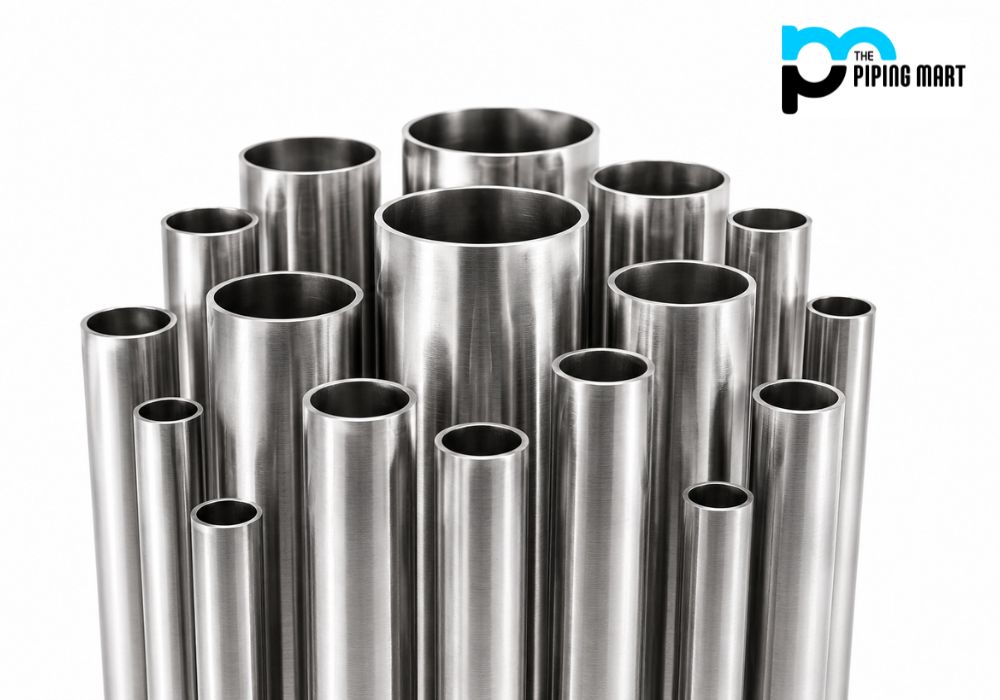
Surface finish is one of those elements that is often overlooked until it causes an issue. The polishing of stainless steel 304 tubes affects more than just their appearance. It has a direct impact on corrosion resistance, hygiene, welding quality, and tube service duration. Different finishes are based on the specific industries where the tube is used, or it is exposed to chemicals or outdoor environments. This overview covers the main finishing methods available for SS 304 tubes, what each one does, and where each one makes sense. Whether you are sourcing for a food processing line, a pharmaceutical plant, or architectural work, this should help you make a more informed decision.
What is Stainless Steel Surface Treatment?
The stainless steel surface treatment is any process applied to the inner or outer surface of a stainless steel tube to improve its texture, appearance, or performance. The purpose depends on the application. As the specific treatments remove surface contaminants or scale from the manufacturing process, others increase cleanability, minimise corrosion risk, or achieve a certain surface roughness. Surface treatment of stainless steel 304 tubes helps in the restoration or strengthening of the passive oxide layer, which protects against rust and chemical damage.
Mechanical Surface Finishing Techniques for SS 304 Tubes
Mechanical finishing is a surface treatment that is accomplished through abrasive, polishing or grinding processes. The most common methods include a variety of finishes from rough to highly reflective.
Brushed Stainless Steel finish.
Brushed stainless steel finish is produced by continuously rubbing the surface with an abrasive belt or pad, leaving tiny parallel lines. Consequently, compared to a polished surface, the surface is uniform, low-gloss, easy to clean, and less likely to display fingerprints. This finish is often used in general fabrication, culinary equipment, and architectural applications where a mirror-like brilliance is not necessary but its appearance is crucial. Over time, it also helps in hiding minor surface imperfections.
Polished stainless steel tubes (Grit-Based Finishing)
The Grit-based polishing process is used for smoothing the surface with a series of progressively finer abrasive papers or belts. Grit sizes usually range between 80 and 600. The lower numbers on the grits are for rough shaping, and the higher numbers are for creating a smoother, more refined surface. The polished stainless steel tubes are used in applications that require a high level of cleanliness, such as in food and beverage processing. A finer grit finish will minimise the surface irregularities that bacteria or contaminants may settle into.
Mirror Finish Stainless Steel Tubing
Mirror-finish stainless steel tubing undergoes several steps of polishing at progressively finer abrasives and is then buffed with buffing compounds until the material is highly reflective and smooth. The result looks similar to a mirror. Common uses include cleanrooms, pharmaceutical products, machinery, and decorative finishes. It requires more effort and expense but is the preferred choice of surface cleanliness and appearance where both are critical to the application.
Matte Finish Stainless Steel Tubes
Matte finish stainless steel tubes are tubes that have a slightly textured surface that isn’t reflective. It is normally manufactured without buffing, with fine abrasives or dull polishing media. This surface is also highly effective at reducing glare; it is a preferred choice in interior design and architecture due to its subtle and minimal appearance. It can also be used in industrial environments where reflectivity may be a safety concern.
Chemical Surface Finishing Processes
The chemical finishing processes involve treating the surface on the molecular level with solutions of acids or a chemical bath. These processes affect the surface chemistry but not the shape of the tube.
Pickling Process
Pickling is the process of immersing the SS 304 tube in an acid solution to remove the heat tint, weld scale, and surface oxides created during fabrication or welding. The acid removes the contaminated surface and creates an underlying surface that is clean and smooth. For welded tubes or tubes that have been heat-treated, pickling may be the initial process prior to passivation.
Passivation
Passivation is a chemical treatment that helps to remove the iron and other impurities from the surface and ensures the formation of a stable layer of chromium oxide. This layer helps to make stainless steel corrosion-resistant. Passivation is usually performed with nitric acid or citric acid solutions. It doesn’t affect the colour of the tube but considerably enhances its resistance to rust and chemical attack. It is commonly used in the pharmaceutical, food-processing and medical industries.
Electrochemical Finishing Techniques
Electrochemical methods use electrical current combined with chemical solutions to finish or clean the surface. They offer a higher level of precision compared to purely mechanical or chemical methods.
Electropolishing of SS 304 Tubes
Electropolishing is essentially the reverse of electroplating. The SS 304 tube is placed in an electrolytic bath and connected to the positive terminal of a power source. Electropolishing gently removes the thin layer of material from the tube’s surface by smoothing tiny rough spots and providing it with a clean, shiny look. This process makes the tubes more resistant to rust, easier to clean, and easier to sterilise, which is why they are widely used in the pharmaceutical, food, and semiconductor industries.
Electrochemical Deburring (ECD)
The electrochemical deburring is used to remove sharp edges, burrs, or raised material left on the tube after cutting /machining. It works by applying localised electrochemical action to the burr area. This is useful for internal tube surfaces or areas that are difficult to reach with mechanical tools. ECD produces a clean edge without distorting the surrounding material or altering the surface finish elsewhere.
Electrochemical Honing/Buffing
Electrochemical honing or buffing combines mechanical abrasion with electrochemical action to smooth and refine the internal or external surface of a tube. It is used when a very specific surface roughness (Ra value) needs to be achieved consistently. In high-purity fluid systems, the internal surface roughness directly affects how clean the tube can be kept, so this method is used where tight tolerances on surface quality are required.
Comparison of Surface Finishes for SS 304 Tubes
Below is a quick reference comparing the most common mechanical surface finishes for SS 304 tubes across key factors.
| Finish Type | Appearance | Reflectivity | Typical Use | Corrosion Resistance |
| Brushed Stainless Steel Finish | Fine parallel lines | Low | Architectural, kitchenware, industrial | Good |
| Polished Stainless Steel Tubes (Grit-Based) | Semi-bright, smooth | Medium | Food processing, pharma, general industrial | Good to Very Good |
| Mirror Finish Stainless Steel Tubing | Highly reflective | Very High | Decorative, display, food-grade systems | Very Good |
| Matte Finish Stainless Steel Tubes | Uniform, low-sheen | Very Low | Outdoor, industrial, where glare is an issue | Good |
Why Surface Finish Matters in Stainless Steel 304 Tubes
The surface condition of a tube has a direct impact on how it performs in service. A rough or poorly finished surface can trap bacteria, hold moisture, and provide sites for corrosion to start. In a food or pharmaceutical setting, that is a hygiene risk. In outdoor or chemical environments, it can mean a shorter service life. For welded assemblies, the area around a weld needs proper surface treatment to restore the corrosion resistance that may have been affected by heat. Choosing the wrong finish for the application does not just affect appearance. It can increase maintenance costs, reduce product lifespan, and, in regulated industries, lead to compliance issues. Surface finish should be decided early in the procurement or design stage, not as an afterthought.
How to Choose the Right Finish for Your Application
The selection of the right finish depends on a few key factors:
- Environment: If the part is used outdoors or in harsh, chemical-heavy conditions, use finishes that protect against corrosion, like electropolishing or passivation.
- Hygiene requirements: For food, dairy, pharma, and beverage uses, pick polished or electropolished finishes. Smoother surfaces are easier to clean and keep sanitary.
- Aesthetics: If the tube is used in a building or commercial space, it’s usually best to use a mirror or brushed finish. Choose a matte finish if you want to reduce glare.
- Budget: Mirror and electropolished finishes cost more than brushed or matte finishes. For non-critical structural applications, a simple brushed or mill finish may suffice.
- Mechanical requirements: If the tube consists of moving parts or fluid flowing through it, the inside surface needs to be smooth too, not just the outside.
There is no single correct answer. The best approach is to match the finish to the working conditions, not to the most impressive-sounding option.
Maintenance Tips for Finished Stainless Steel 304 Tubes
This helps to maintain the surface finish, prolonging the tube’s duration and ensuring its proper operation. Use a soft cloth and mild detergent to clean brushed or polished surfaces in the direction of the grain. Avoid using steel wool or scrub pads on or around the tube, as they can scratch the tube and may remove the protective coating. In most light-use environments, simply rinsing the tubes with clean water will suffice for electropolished tubes; however, in chemical applications or high-purity applications, regular passivation treatment may be necessary to restore the oxide layer. Chlorine-based cleaners should NOT be used unless thoroughly rinsed off, as chlorine will cause pitting corrosion over time. Regularly inspect tubes for colour change, rust stains, or any damage, particularly at welds and joints.
Conclusion
Surface finishing for SS 304 tubes is not a single process but a range of options, each suited to specific needs. Mechanical methods. Like brushing and polishing are the most common and cover most general applications. The chemical processes, like pickling and passivation, are essential after welding or fabrication to restore surface integrity. Electrochemical methods, such as electropolishing, are used where very high surface quality is needed. The right finish depends on where the tube is being used, what standards apply, and what the budget allows. Choosing correctly from the start reduces rework, improves product performance, and helps the tube last as long as it should.
FAQ’s
What is the best surface finish for stainless steel 304 tubes?
There is no best finish; it will vary depending on the application. Electropolished finishes or fine-grit polishes are often selected over other finishes for food or pharmaceutical use as they are easy to clean and less likely to contaminate the product. For general industrial or architectural applications, a brushed finish is usually suitable and less expensive.
What is the difference between brushed and mirror-finish stainless steel tubing?
The brushed finish refers to a low-gloss finish made by belt abrasives that have a directional texture. Several polishing and buffing processes are used to create a mirror finish, which is a highly reflective surface. A mirror finish is smoother, more corrosion-resistant, and more expensive to make. A brushed finish is more functional in the day-to-day usage of an industrial or commercial business.
Is electropolishing necessary for SS 304 tubes?
Electropolishing is not necessary in each industry, but it is essential in certain industries. It is widely used in such fields as medicine, pharmaceuticals, and food processing for applications where a smooth, clean, easily sterilisable surface is desired, and also in semiconductor manufacturing.
Which finish is best for corrosion resistance?
The electropolishing provides better corrosion resistance, as it removes surface defects and improves the protective chromium oxide layer. Among the mechanical finishes, smoother or mirror finishes resist corrosion better than rough or brushed finishes because they have fewer surface defects where corrosion can begin.