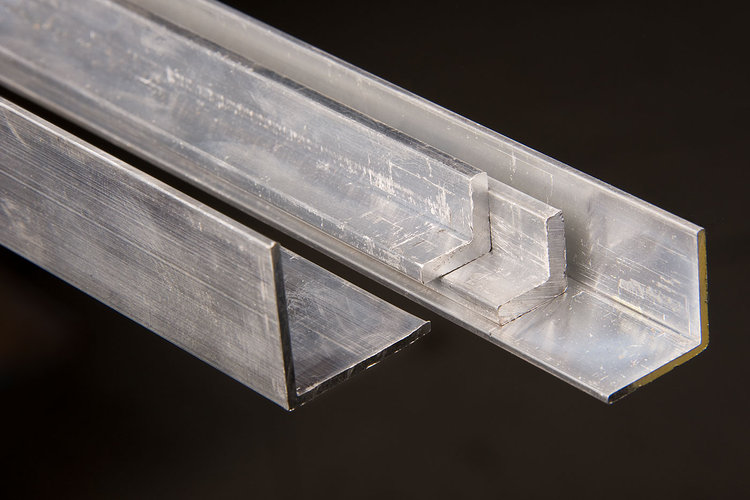
Aluminium angle is one of the most common profiles you will find in both construction sites and manufacturing plants. It is a simple L-shaped bar that provides structural support without adding much weight. As it is easy to work with, people use aluminium angle for everything from framing windows to building large industrial machines. In this guide, we are going to look at the different characteristics that make this material so popular. We will cover the standard sizes you can find on the market, the specific types of alloys like 6061 and 6063, and how to pick the right one for your specific job. Whether you are a professional builder or just working on a home project, understanding these basics helps you get the right strength and finish for your work.
What Is an Aluminium Angle?
An aluminium angle, which many people call an L-shaped aluminium angle or an angle bar, consists of two legs that meet at a 90-degree angle. These are usually manufactured through an extrusion process where heated aluminium is pushed through a shaped die to create the “L” profile. These designs are highly efficient because the 90-degree bend provides excellent resistance to bending and twisting, which makes it an excellent option for structural reinforcement. These are often made of alloys such as 6061, which is ideal for heavy-duty constructions, or 6063, which has a smoother finish and is better suited to architectural work. Sometimes 5052 is used when you need better resistance to salt water. Some angles have legs of the same length, while others have one leg longer than the other, depending on where they need to be mounted or how much load they have to carry.
Types of Aluminium Angle
There are a few ways to categorise these profiles based on their shape and manufacturing method.
- Equal Angle: This is the most common version, where both legs are exactly the same length. If you buy a 50mm x 50mm angle, both sides provide equal surface area for fastening, which makes it very predictable for symmetrical framing and bracing.
- Unequal Leg: These have legs of different lengths, such as 75mm x 50mm. You use these when you have limited space on one side or when the load is heavier in one direction. They are very common in the automotive and trailer industries.
- Architectural Angle: These are designed with sharp, square corners on both the inside and outside of the bend. They are mostly made from 6063 alloy because it looks better when anodised and is used for trim, glass channels, and decorative borders.
- Structural Angle: These usually have rounded inside corners (called fillets), which add extra strength at the stress point of the bend. They are typically made from 6061-T6 aluminium and are used for heavy lifting or load-bearing frames.
Standard Aluminium Angle Sizes
Choosing the appropriate aluminium angle size is primarily about matching the leg length and thickness to your load. Sizes are written as Leg 1 x Leg 2 x Thickness. For example, a 25 x 25 x 3 mm angle is a light-duty profile, while something like 100 x 100 x 10mm is meant for heavy industrial use. Most suppliers stock these in 5-metre or 6-metre lengths, but they can be cut down to whatever you need. While imperial sizes are still used in some regions, metric sizes are the standard in most modern engineering. The table below provides a detailed overview of the common sizes available.
| Size (mm) | Thickness (mm) | Approximate Weight (kg/m) | Typical Use |
| 20 x 20 | 1.6 | 0.16 | Lightweight trim and DIY |
| 25 x 25 | 3.0 | 0.38 | Shelving and small frames |
| 40 x 40 | 3.0 | 0.62 | Gate frames and furniture |
| 50 x 50 | 5.0 | 1.28 | General construction and brackets |
| 50 x 50 | 6.0 | 1.52 | Trailer frames and heavy supports |
| 75 x 50 | 6.0 | 1.93 | Unequal leg vehicle bodies |
| 75 x 75 | 6.0 | 2.33 | Commercial window framing |
| 100 x 100 | 10.0 | 5.13 | Heavy industrial machinery |
Key Characteristics and Properties
Aluminium has specific physical properties that make it a better choice than steel or plastic in many scenarios.
- Strength-to-Weight Ratio: Aluminium is roughly one-third the weight of steel. This means you can use a thicker aluminium angle to get the strength you need without making the final structure too heavy to move or install.
- Corrosion Resistance: Aluminium naturally creates a thin oxide layer that stops it from rusting. This is why it works so well in rain or humid environments. If you need it for a boat or a coastal building, you can get it anodised for even better protection.
- Workability and Fabrication: You don’t need heavy industrial gear to work with this material. It is easy to cut with a standard circular saw and drill quickly. It can also be welded using MIG or TIG setups, which is great for custom fabrication.
- Thermal and Electrical Conductivity: It conducts heat and electricity very well. Because of this, you’ll often see aluminium angles used as heat sinks in electronics or as conductive busbar supports in electrical cabinets.
Common Uses of Aluminium Angle
You can find these angles in almost every industry, as they are easily available.
- Construction and Architecture: Builders use them for roof trusses, window frames, and wall reinforcements. They are also popular for decorative trim on the corners of buildings because they stay straight and don’t rot.
- Manufacturing and Fabrication: In factories, these are used to build conveyor belts, machine guards, and workbenches. The 6061 alloy is usually the go-to here because it can handle the vibration and weight of machinery.
- Transportation and Marine: Since weight matters for fuel efficiency, truck bodies and trailers use aluminium angles for the outer frames. In boats, they are used for deck supports and seating frames because they handle wet conditions well.
- DIY and Home Projects: For home applications, people use small angles to build garden sheds, make shelving, or strengthen wooden furniture. It is easily available in most hardware stores.
How to Choose the Right Aluminium Angle
When picking out an aluminium angle bar, you first need to look at the environment. If it’s going outside or near the ocean, 6063 or 5052 with an anodised finish is usually best. For something that needs to hold up a lot of weight, like a mezzanine floor or a heavy shelf, you should stick with 6061-T6 because it has higher yield strength. Also, think about the leg thickness; a thinner leg might save money, but it could flex too much under a heavy load. If you are mounting something to a wall, an unequal leg angle might give you more room for the bolts on one side while keeping a slim profile on the other. Always check a load table if the project is structural.
Buying and Pricing Considerations
The price of aluminium changes based on the global market, but the alloy you choose also plays a crucial role. 6063 is generally more affordable and available than specialised marine grades. Most suppliers will charge you by the length or by weight. If you only need a few small pieces, look for a supplier that offers cut-to-length services and customised options as per the requirements. Shipping can also be a factor since long lengths require special freight. If you are buying in bulk, the price per kilogram usually drops significantly.
Wrapping Up
Aluminium angle is a very practical material that solves many structural problems without the weight or rust issues of steel. Whether you need an equal leg angle for a simple frame or a heavy-duty structural profile for a factory build, choosing the right size and alloy is the most important part of the process. Remember that 6063 is great for looks, and 6061 is better for strength. Always look at your load requirements and the environment before you buy. If you are not sure about the exact aluminium angle you need for a specific weight limit, it is a good idea to talk to a supplier or an engineer.
Frequently Asked Questions (FAQs)
What’s the difference between equal and unequal aluminium angles?
Equal angles have legs of the same length, like 40 x 40 mm. Unequal angles have one longer leg, like 60 x 40 mm, which is useful when you have more space on one side than the other.
Can an aluminium angle be welded?
Yes, aluminium angles are commonly welded using TIG or MIG processes. The 6061 alloy is particularly well-known for being easy to weld, though the heat can slightly soften the metal near the joint.
How much weight can an aluminium angle support?
The capacity depends on the alloy grade, the thickness, and the distance between supports. A thick 6061-T6 angle can hold heavy loads, but you should always check a technical load chart for structural safety.
Does aluminium angle rust like steel?
Aluminium does not rust because it doesn’t contain iron. It forms a natural oxide layer that protects it from the elements, which makes it much better for outdoor use than untreated steel.
What size aluminium angle do I need for shelving?
For standard garage or home shelving, a 25x25x3 mm or 40x40x3 mm angle is usually enough. If you are storing very heavy equipment, you should move up to a 5mm or 6mm thickness.
Can I cut aluminium angle with regular tools?
You can cut it easily with a hacksaw or a power saw equipped with a blade designed for non-ferrous metals. It is significantly softer than steel; thus, basic DIY tools can usually handle it without issue.