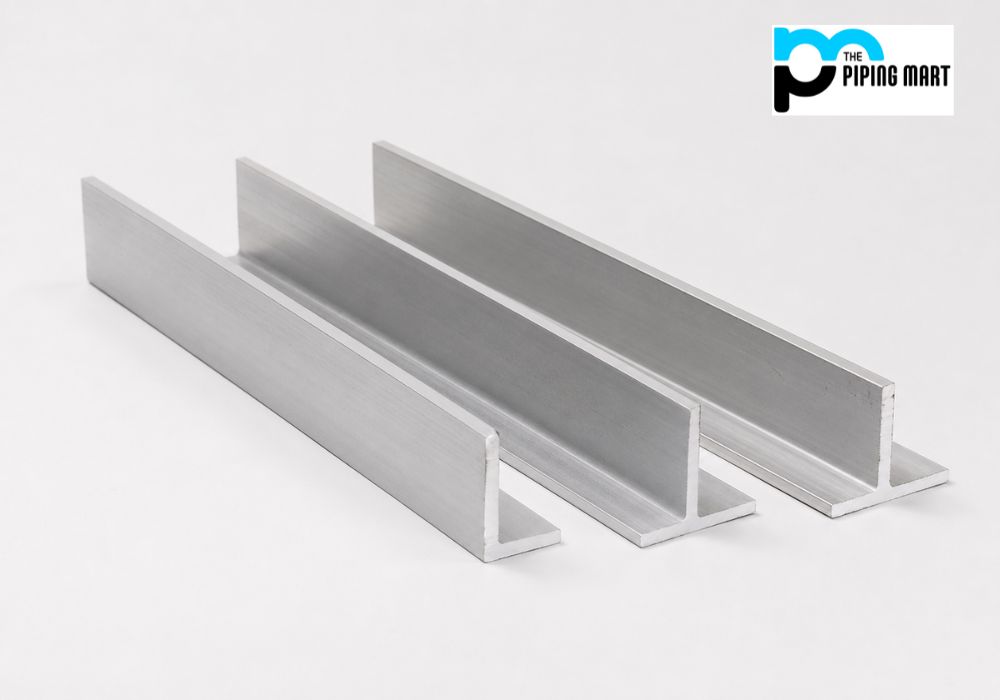
A builder or a DIY enthusiast decides which material will hold up best while putting together a frame or a support structure. In many workshops and on construction sites, the L-shaped aluminium angle is the standard choice. These aluminium profiles are used from simple corner brackets to heavy-duty industrial frames. They are a preferred choice because they offer a specific set of physical properties, like being light as well as strong. Steel or timber rarely provides these kinds of qualities. This guide looks at the practical benefits of aluminium angle and why it works for multiple applications.
7 Key Benefits of Aluminium Angle
Aluminium angle’s L‑shape with a 90° bend gives high rigidity without extra weight. Grades 6061 and 6063 offer a strong tensile strength for reliable structural support.
Strength-to-Weight Ratio Explained
One of the main reasons people choose aluminium profiles is that they are very light. If you compare an aluminium angle to a steel one of the same size, the aluminium version is much easier to carry and install. This is a big deal for shelving units or vehicle frames where you want to keep the overall weight down but still need the structure to stay rigid. Because it is light, you also save money on transport. You do not need as many people to lift the pieces into place during a build.
Load-Bearing Without the Bulk
Even though it is light in weight, the L-shape design makes the profile very stiff. The 90-degree bend acts as a reinforcement that resists bending or twisting. You see this used a lot in brackets and edge protection. For most common builds, using a 6061 or 6063 alloy gives you enough tensile strength to handle heavy loads without needing thick, bulky materials. It keeps the project looking clean and saves space.
Corrosion Resistance That Actually Lasts
Steel usually needs to be painted or galvanised so it resists rust, but aluminium handles moisture differently. It naturally develops a thin layer of oxide on the surface. This layer prevents oxygen from reaching the metal underneath. Due to this, aluminium angle is the primary choice in coastal areas or for outdoor structures that are constantly exposed to rain. This process makes that protective layer even thicker and harder.
Versatility Across Industries and Projects
The L-shaped aluminium angle is one of the most used shapes because it is so simple. You will find it in many different places:
- Construction: It is used for window frames, door tracks, and corner guards on walls.
- Custom fabrication and DIY projects: Aluminium angle benefits fabrications and projects. They are used because it’s easy to cut, drill, and weld them with basic workshop tools at home.
Easy to Work With and Modify
Working with steel often requires heavy machinery or welding gear that not everyone has access to. Aluminium is different. You can cut it with a circular saw (if you have the right blade) or a simple hacksaw. It drills cleanly, and you can use standard fasteners like rivets or screws to join pieces together. This makes it a top choice for custom fabrication that needs quick adjustments on-site. The material is soft enough to work with but hard enough to hold its shape once the job is done.
Cost-Effectiveness Over Time
The price of aluminium might be higher than some grades of steel at the start, but it usually ends up being more affordable in the long run. You do not have to spend money on anti-rust treatments or regular repainting. Because it lasts so long without degrading, replacement of parts does not need to be done often. Also, if you ever take the structure down, the scrap value of aluminium is quite high compared to other metals, so you get some of your investment back.
Aesthetic and Finishing Options
In modern architecture, people often leave the metal exposed. A basic mill finish looks clean and industrial. You can also buy aluminium angle that has a shiny finish or a coloured powder coating. Its clean, modern look works well with minimalist designs. Unlike painted wood or steel, it does not chip or peel, even with regular use and exposure to the weather. With just simple, occasional cleaning, it still looks good for many years, making it perfect for projects that do not need much upkeep.
Wrapping Up
The benefits of aluminium angle come from how reliable and easy it is to use. It is strong enough for structural jobs, stands up well to weather, and can be easily cut or shaped with simple tools. Aluminium angle is a practical option for both professional projects and small DIY jobs at home. It is light, strong, and easy to work with using basic tools. You can use it for frames, shelves, brackets, and many other structures without adding much weight. If you’re unsure which alloy or thickness to pick, ask a supplier for specifications that match your load and safety needs.
FAQ Questions
Is aluminium angle strong enough for outdoor structures?
Yes. Alloys like 6061-T6 are extremely strong. The natural oxide layer prevents rust formation. This is why it survives rain and humidity much better than untreated steel.
Can I cut aluminium angle with regular tools?
You can. A hacksaw works fine for thin sections. For thicker pieces, a mitre saw, or circular saw with a blade designed for non-ferrous metal, is best.
What’s the difference between 6061 and 6063 aluminium angle?
6061 is a structural alloy with higher strength. It is used for heavy-duty frames. 6063 is “architectural” grade. It is smoother, easier to finish, and better for decorative trim.
Does aluminium angle need any special maintenance?
Not really. If it is used outdoors, you might want to wipe it down occasionally to remove dirt. It does not need painting or sealing to stay protected.
Is aluminium angle more expensive than steel?
The initial cost is usually higher per kilogram. However, you save money because it is more affordable to ship, easier to install, and requires zero maintenance over time.