Materials used in the marine and offshore industries must withstand prolonged exposure to seawater and harsh chemicals without fail. If you are wondering what Monel is, it’s a group of nickel-copper alloys designed to resist corrosion in environments where standard steel fails. Monel, which is typically composed of approximately 67% nickel and 30% copper, has strong mechanical properties and a long service life in both marine and chemical environments. It also retains its strength over a wide temperature range, making it a dependable option for critical applications. This guide explains the definition of Monel in simple terms, as well as its chemical composition, manufacturing process, key properties, and common applications, making it understandable even to non-metallurgists.
What Is Monel?
Monel is a specialised solid-solution alloy that primarily consists of nickel and copper. In most standard forms, the nickel content is roughly 67%, while copper makes up about 30%, with small amounts of iron, manganese, carbon, and silicon added to improve specific traits. Because nickel and copper are mutually soluble in each other in all proportions, it creates a single-phase structure. When people ask what Monel is, they are usually referring to a material that is technically classified as a superalloy because it stays strong even under high tension and extreme temperatures. It was originally created by Robert Crooks Stanley in 1905 and named after the company president, Ambrose Monell. It provides a unique space in metallurgy between standard stainless steels and more expensive titanium alloys, offering a middle ground of high strength and excellent resistance to acids and alkalis.
How Monel Is Made
The production of Monel involves several high-temperature stages to ensure the metals bond correctly and the impurities are removed.
- Raw Material Sourcing: The process starts with gathering high-purity nickel and copper ores. Monel is also known as a natural alloy, as it is made from pentlandite or chalcopyrite, both of which are commonly found in the same mineral deposits.
- Melting in Electric Arc Furnaces: Raw metal is placed into an electric arc furnace (EAF). High-voltage electricity creates an arc, which produces enough heat to melt the nickel and copper into a liquid pool.
- Alloying and refining: Once molten, technicians add specific amounts of iron or manganese. This is a precise stage in which the chemistry is tested to ensure that it meets the 67/30 ratio required for the grade being manufactured.
- Casting: The liquid alloy is poured into moulds to create large blocks called ingots or smaller rectangular shapes known as billets. These solid forms are the starting point for all finished Monel products.
Hot and Cold Working Processes
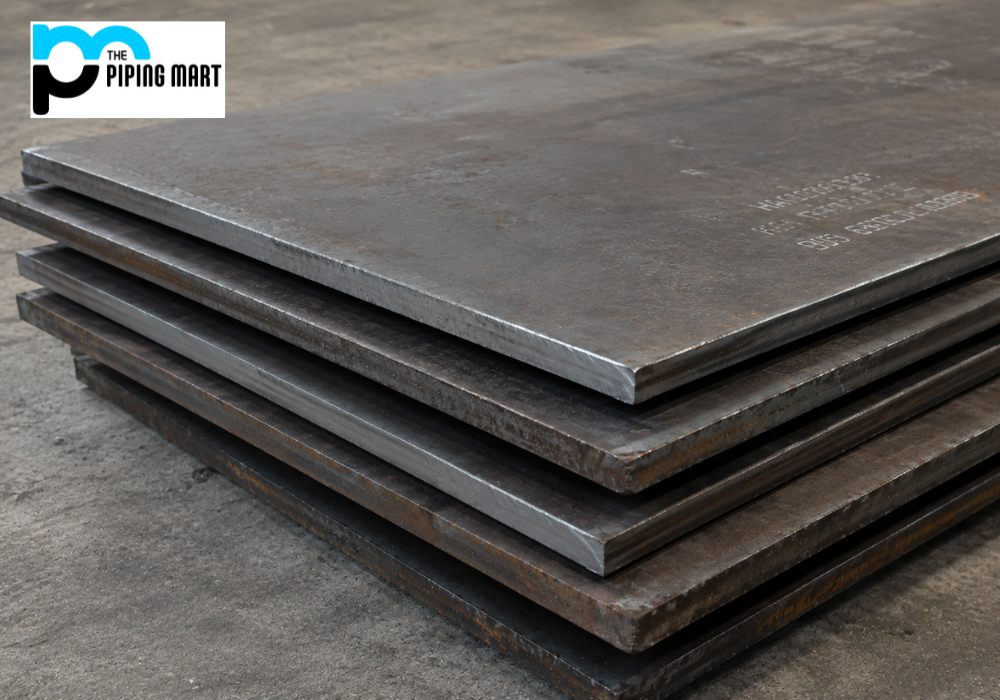
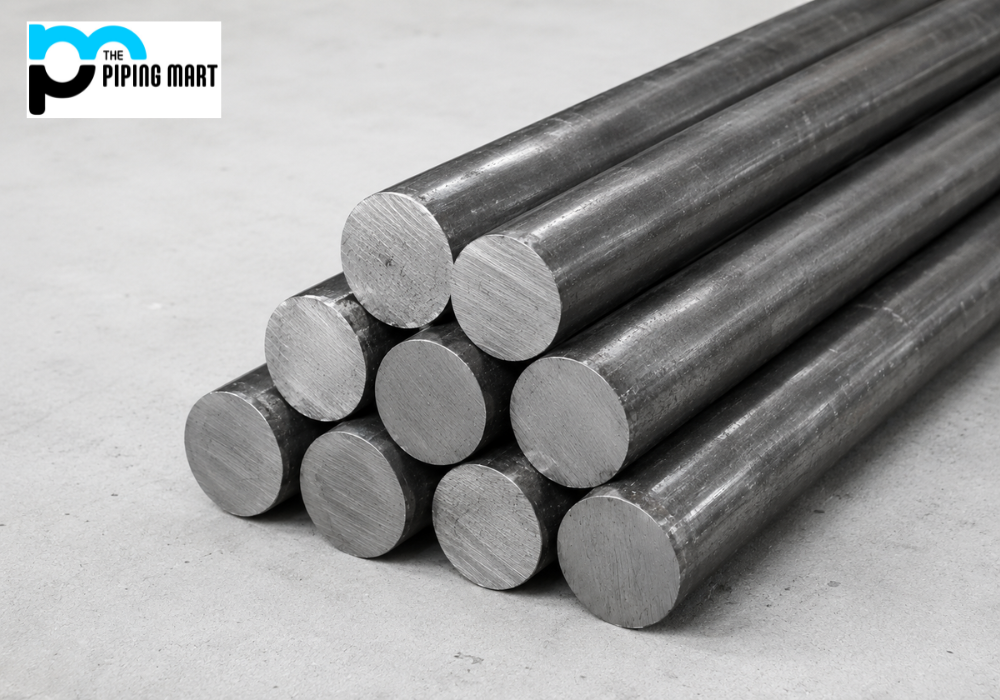
After casting, the ingots are heated again and passed through heavy rollers. This hot-rolling breaks down the cast structure and turns the blocks into manageable shapes like plates, sheets, or bars. Once the metal cools, it undergoes cold working. This involves pulling or rolling the metal at room temperature to reach exact dimensions. Cold working also increases the hardness and strength of the material, though it makes it more brittle. To fix this, the metal is often annealed, which means heating it to a specific point to relieve internal stress before further processing.
Quality Control and Testing
Manufacturers have to run several tests to make sure the batch meets industry requirements. They use tests like X-ray fluorescence to check that the nickel and copper levels are correct. They also do mechanical tests to see how strong the metal is and when it starts to bend or change shape. As Monel is used in high-pressure conditions, these tests usually follow standard rules set by ASTM or ASME. Corrosion testing is also common, where samples are exposed to salt spray or acids to see how they hold up over time.
Key Properties That Make Monel Unique
Monel metal properties have a specific set of characteristics that make it perform better than many other metals in niche environments.
Corrosion Resistance: This is the main reason people use it. It resists corrosion better than stainless steel when sitting in flowing seawater or phosphoric acid. It withstands both oxidising and reducing conditions well.
Temperature Stability: It maintains its mechanical strength at very high temperatures. At the same time, it doesn’t get brittle at sub-zero or cryogenic temperatures, which is rare for many industrial metals.
Non-Magnetic Performance: Most Monel grades are non-magnetic under normal conditions. This is useful for electronic components or equipment that must avoid magnetic interference.
High toughness: It is a very hard, rigid metal that does not bend easily. Because it is so tough, it is suitable for parts like pump shafts, which must handle constant twisting and physical stress.
Different Types of Monel Alloys
There isn’t just one type of Monel; the family includes several variations designed for different mechanical needs.
| Alloy Grade | Primary Features | Common Applications |
| Monel 400 | Standard grade, high strength, and great corrosion resistance. | Marine valves, chemical tanks, piping. |
| Monel K-500 | Added aluminium and titanium; age-hardened for extra strength. | Pump shafts, oil well drill collars, blades. |
| Monel R-405 | High sulphur content for easier machining. | Fasteners, screw machine products, valve parts. |
Monel 400 is the most common and is used where general corrosion resistance is the priority. If you need something much stronger for heavy-duty machinery, K-500 is the better choice because it undergoes a heat-treatment process called age hardening. R-405 is mostly used when you need to make many small, complex parts on a lathe, as the sulphur helps the chips break off during cutting.
Where Monel Is Commonly Used
As Monel alloy costs more than steel, it is usually reserved for applications where other materials may fail.
- Marine Engineering: In propeller shafts, heat exchangers, and seawater valves. It doesn’t pit or corrode easily in salt water, even when the water is moving fast.
- Chemical Processing: It is used for tanks and pipes that hold hydrofluoric acid or alkalis. Most other metals would dissolve or leak in these conditions quite quickly.
- Oil and Gas Refining: In the sour environments of oil wells, Monel resists the hydrogen sulphide and high pressures found deep underground.
- Aerospace: It is used for combustion chambers and engine parts because it can handle the heat and vibration without cracking.
- Musical Instruments: Many high-end guitars use Monel for fret wires or strings because it doesn’t corrode from the sweat on a player’s hands and has a bright sound.
Conclusion
Monel alloy is a very durable nickel-copper alloy that provides a level of corrosion resistance that most steels simply cannot match. It is made through a controlled melting and alloying process, followed by hot and cold working to get the desired strength and shape. Whether it is the standard Monel 400 or the high-strength K-500, these materials are essential for the marine, chemical, and aerospace industries. While it is more expensive and harder to machine than standard metals, its ability to survive in seawater and acidic environments makes it worth the investment for critical parts.
FAQ SECTION
Is Monel better than stainless steel?
It depends on the environment. Monel is much better than stainless steel at resisting corrosion in seawater and highly acidic environments, but it is also significantly more expensive and harder to work with.
Can Monel be welded easily?
Yes, it can be welded using gas-tungsten arc or shielded metal arc welding. You have to use the right filler metals and keep the area very clean to avoid cracking, which makes it slightly more technical than welding basic steel.
Does Monel rust or corrode?
It does not corrode like iron or steel, as it contains such a trace amount of iron. It is highly resistant to corrosion, but prolonged exposure to the elements can cause a grey or green tarnish on the surface.
Why is it called Monel?
It was named after Ambrose Monell, who was the head of the International Nickel Company when the alloy was first patented. It remains a trademarked name used for this specific nickel-copper blend.
Is Monel metal expensive?
Yes. It is generally more expensive than stainless steel due to the higher cost of nickel and copper. Its high machining difficulty is another factor that increases the price of the finished product.
Is Monel magnetic?
Most grades, such as Monel 400, are non-magnetic at room temperature. This makes them ideal for parts in the oil industry or electronics that require no magnetic pull or interference.