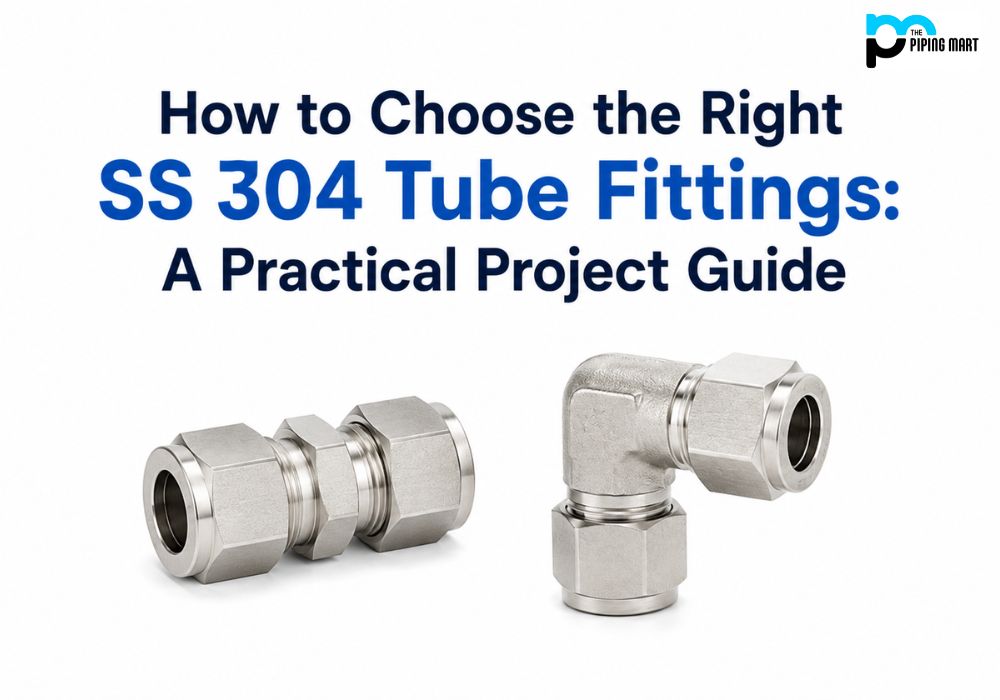
Choosing the appropriate tube fittings for a project is not always easy. There are various elements to consider, and selecting the wrong fitting can result in leaks, pressure failures, or compatibility concerns later on. Stainless steel 304 tube fittings are one of the most common options for industrial applications due to their combination of mechanical strength, corrosion resistance, and availability. Even within SS 304, one needs to match the fitting precisely to your application. This guide covers the essential variables to consider when purchasing SS 304 tube fittings for various projects, as well as some common errors to avoid during the selection process.
Introduction to SS 304 Tube Fittings
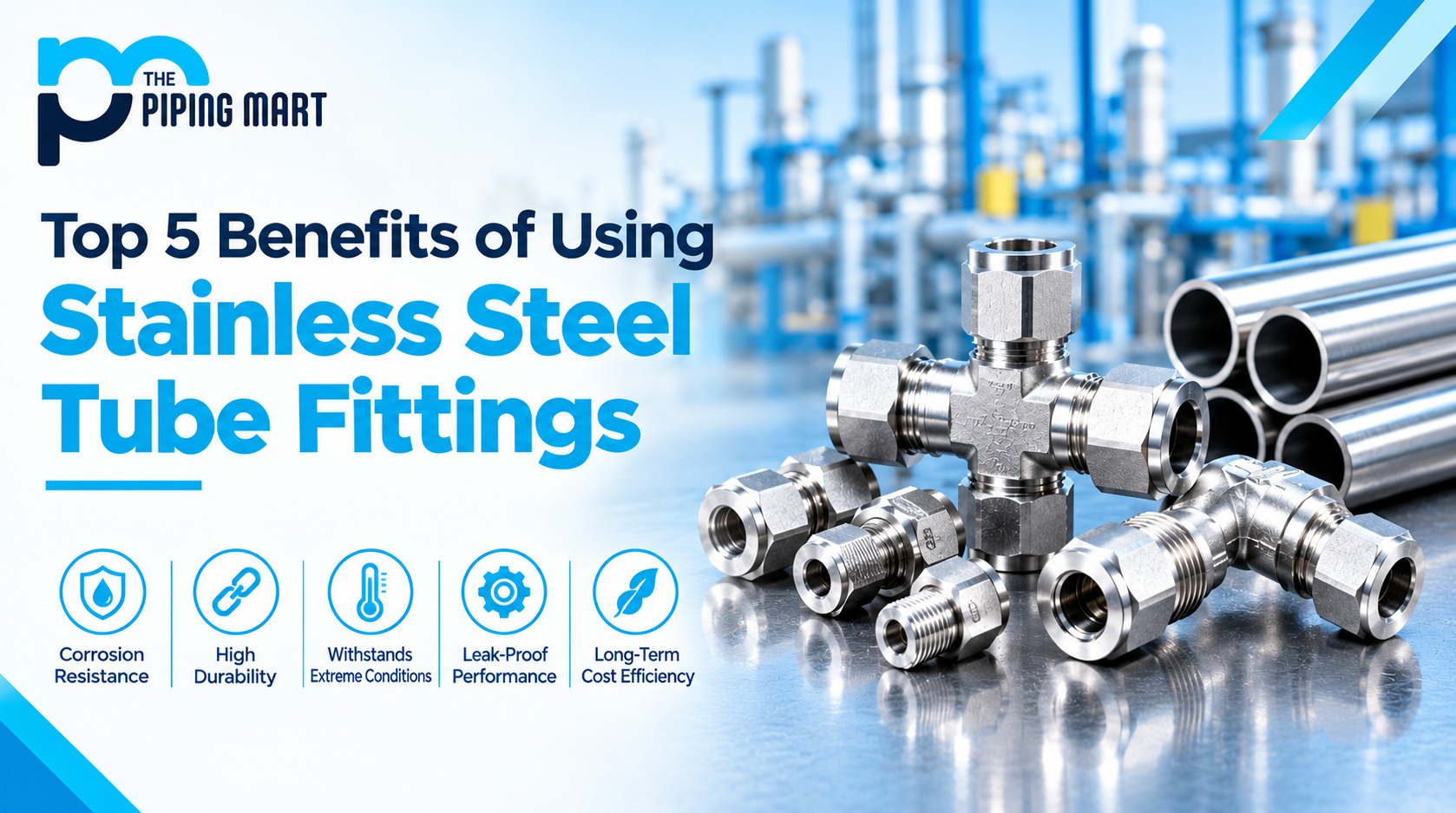
The SS 304 tube fittings are made of Grade 304 austenitic stainless steel. The alloy is manufactured with approximately 18% chromium and 8% nickel, which gives the alloy a very good corrosion resistance in different environments. They are available in various configurations, such as elbows, tees, unions, couplings, reducers, and nipples. They are employed in piping and tubing systems for connecting, rerouting, or stopping the flow. Moderate temperatures and pressures can be applied with little effect on the material, and it is compatible with a broad range of fluids. Mostly, these fittings are used in industries that make use of the practical and cost-effective SS 304 tube fittings, such as food processing, water treatment, instrumentation applications, and so on.
Key Factors to Consider When Selecting SS 304 Tube Fittings
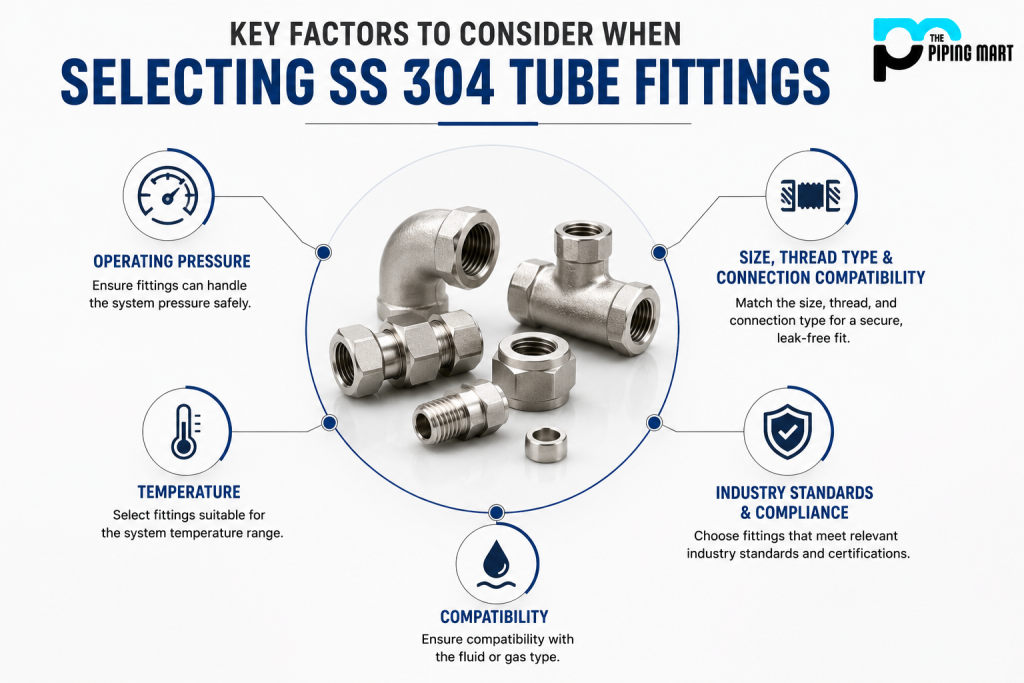
While choosing SS 304 Tube Fittings, there are several important factors to consider.
The first step to getting the selection right is to know the details of your system requirements. Even a single mistake in a parameter can result in a fitting that doesn’t look right on paper. Below are the main technical factors to evaluate before specifying stainless steel 304 tube fittings.
Operating Pressure Requirements
Always make sure the fitting’s pressure rating is higher than the system’s maximum pressure. The pressure rating of an SS 304 tube fitting depends on its wall thickness, diameter, and connection type. For instance, compression fittings can withstand a lower pressure than socket weld or butt weld fittings. Never assume a stainless steel fitting is a high-pressure fitting. Refer to the manufacturer’s pressure-temperature chart; apply a suitable safety factor for your application.
Temperature Conditions of the System
The Grade 304 stainless steel is suitable for most environments at temperatures ranging from -196°C to approximately 870°C. However, 304 will be sensitised with prolonged exposure above 425°C, which reduces the corrosion resistance over time. In a continuously operating system at high temperatures, 304L or even 316 or 316L might be necessary. Standard SS 304 tube fittings will perform in normal temperature ranges.
Compatibility with Fluid or Gas Type
SS 304 is highly resistant to a variety of chemicals and is commonly used to process water, steam, air, mild acids, and fluids used in the food industry. Avoid using SS 304 tube fittings in environments with high chloride levels, like seawater or certain acidic solutions with halides, as they can cause local corrosion and cracking. For strong or aggressive chemicals, always perform a corrosion compatibility test first to confirm that SS 304 tube fittings will be durable and reliable.
Size, Thread Type, and Connection Compatibility
The SS 304 tube fittings are available in different sizes and connection types. The outer diameter and thinness of the tube should be the same as the specifications of the fitting. The standard of the threads is also different; like BSP, NPT, and metric are the most common, and if incompatible threads are mixed, there will be leaks. The connection method is also important, in addition to threads. There are different installation instructions for compression fittings, flare fittings, and weld-end fittings. When selecting SS 304 tube fittings for projects, be sure the type of fitting is compatible with the other components in the system.
Industry Standards and Compliance
Different projects and industries require tube fittings to follow certain standards. Common standards include ASTM A403, ASME B16.9, and various DIN standards. In food and pharmaceutical plants, fittings often need FDA or 3-A sanitary approval. In oil and gas, especially in sour service conditions, NACE MR0175 is often required. Always check which standards apply to your specific project before you finalise the fitting specification.
Selecting SS 304 Tube Fittings Based on Project Type
The right fitting also depends on the nature of the project itself. Different industries have different priorities, and the operating conditions vary considerably. Here is a brief breakdown of how stainless steel 304 tube fittings are selected across common project types.
Chemical Processing Projects
In chemical processing, the main concern is fluid compatibility. Many processing lines run acids, alkalis, or solvents, and the choice of fitting material must be confirmed against the specific media. SS 304 tube fittings work in a good number of chemical applications involving dilute acids and mild alkalis, but concentrated acids or chloride-heavy streams usually call for a higher alloy. For standard chemical lines running non-aggressive media, 304 tube fittings in socket weld or butt weld configurations are commonly used.
Oil and Gas Instrumentation Systems
Instrumentation lines in oil and gas facilities often use compression-type SS 304 tube fittings. These are used in instrument tubing for pressure sensing, flow measurement, and control lines. The fittings need to handle both pressure and vibration. For sour gas environments, the material selection must account for sulphide stress cracking. In non-sour, standard service conditions, SS 304 tube fittings are widely specified for instrument tubing systems.
Food and Pharmaceutical Projects
Sanitary fittings are required here. SS 304 tube fittings used in these sectors need smooth internal bores to prevent bacterial accumulation, and the surface finish specification matters. Ra values are usually specified, along with compliance to 3-A or similar standards. Tri-clamp and other sanitary connection types are standard in these industries. The fitting must be easy to clean, either by CIP (clean-in-place) or manual processes. SS 304 is accepted in many food-grade applications, though SS 316L is preferred in pharmaceutical lines due to its lower carbon content.
Water Treatment and Utility Systems
Water treatment plants use SS 304 tube fittings in instrumentation, chemical dosing lines, and utility piping. Corrosion from treated water or chemical additives is a consideration. In most cases, potable water and utility water systems are within the corrosion tolerance of SS 304. High levels of chlorine in water are an exception, where SS 316 is a better choice. For most water treatment uses, standard‑pressure SS 304 fittings are practical and cost‑effective.
Construction and Infrastructure Projects
In the construction industry, SS 304 tube fittings are used in fire suppression systems, HVAC pipe, and utility supply lines. These requirements are usually less severe than those in process industry applications. Pressure levels are generally medium, temperatures are ambient (outside room temperature) for most of the time, and fluids are typically water, air, or gases. Most of these applications will require standard compression or threaded SS 304 fittings. The primary consideration is the correct sizing and the type of connection to match the pipework.
Common Mistakes in Selecting SS 304 Tube Fittings
- Specifying the material grade alone is a frequent mistake. Just because a fitting is SS 304 does not mean it is suitable for every application. Pressure rating, thread standard, and connection type all need to be confirmed separately.
- Another common issue is confusing tube fittings with pipe fittings. Tube fittings are designed around the outer diameter of the tube. Pipe fittings use nominal bore sizes.
- Using the wrong type creates compatibility problems.
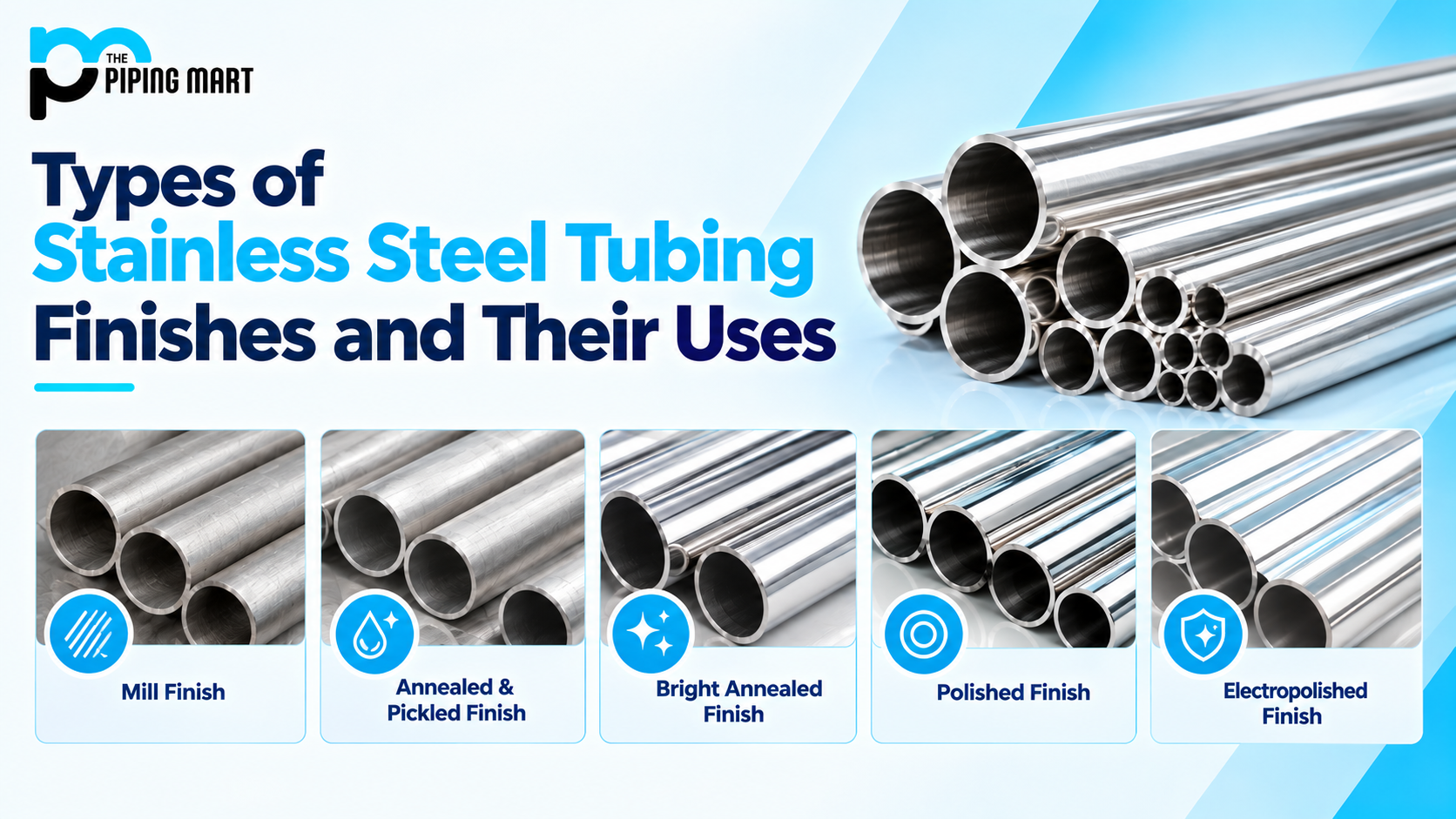
- Ignoring surface finish in sanitary applications leads to hygiene compliance failures. A standard commercial finish is not the same as a polished sanitary bore.
- Selecting fittings from different manufacturers for the same compression fitting system can also cause problems. Ferrules and bodies from different brands are sometimes not interchangeable, even if they look similar.
- Another mistake is not knowing the applicable standards for the project. A general industrial-approved fitting may not be approved for a specific regulated environment.
Conclusion
Selecting SS 304 tube fittings for projects requires more than picking a material grade. Pressure, temperature, fluid compatibility, size, connection type, and applicable standards all feed into the final specification. Stainless steel 304 tube fittings are a solid choice for most standard industrial, food, water treatment, and instrumentation applications. But the selection needs to be confirmed against actual system conditions rather than assumed. A systematic approach to fitting selection can reduce the risk of failures, rework, and compliance issues. Taking the time to go through each factor properly is straightforward and worth the effort before any procurement decision is made.
FAQs
What factors should I consider when selecting SS 304 tube fittings?
When choosing a fitting, make sure its pressure rating, temperature limit, compatible fluid or gas, tube size, connection type, and required standards all match your system. If even one of these doesn’t fit your requirements, you could end up with the wrong fit and potential problems in operation.
Are SS 304 tube fittings suitable for high-pressure applications?
The SS 304 tube fittings can resist high-pressure configurations, such as butt welds and socket welds. However, the pressure rating depends on the wall thickness, diameters, and fitting design.
How do I choose the correct size of tube fittings?
The size of the tube fitting is determined by the outside diameter of the tube (not the nominal bore). The fitting must be fitted to the exact OD of the tube, and the wall thickness must be suitable for the type of fitting. With compression fittings, the wall thickness influences the compression and sealing. Before choosing the fitting, always check the overall tube specification.
Why is SS 304 commonly used in industrial projects?
The Grade 304 stainless steel provides an adequate balance of corrosion resistance and mechanical strength for a moderate cost. It is available in common sizes and designs, so it works for most industrial uses. People use it in many projects because it can handle water, steam, mild chemicals, and food-safe fluids.
What industries use SS 304 tube fittings the most?
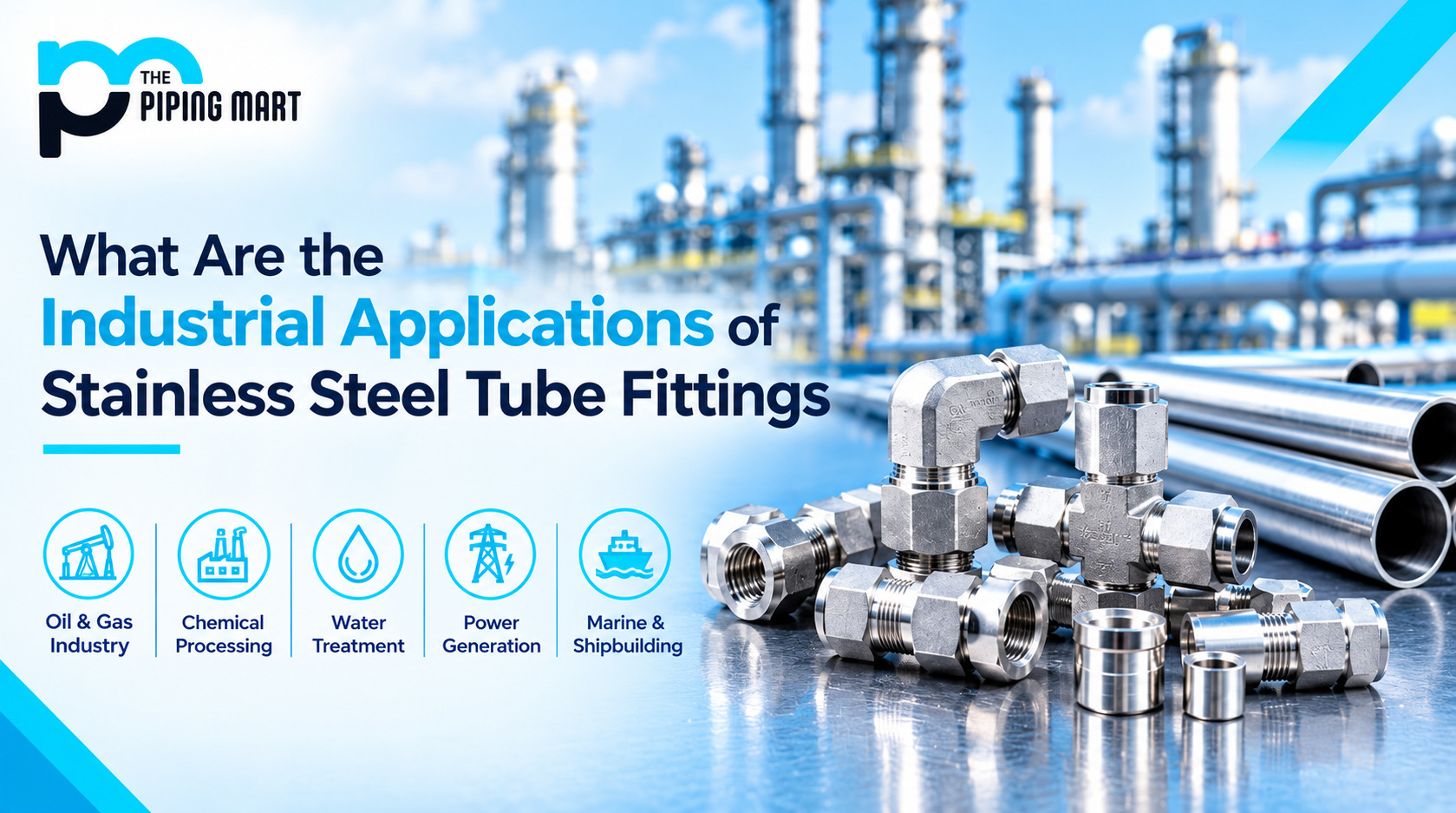
The SS 304 tube fittings are used in food and beverage processing, water treatment, pharmaceutical manufacturing, oil and gas instrumentation, HVAC, and general chemical processing. In all of the above sectors, the corrosion resistance of the material and its cleanability are often specified requirements.
Why Proper Selection of SS 304 Tube Fittings Matters?
If the wrong fitting is used, it could lead to leaks, contamination, early failure, and downtime of a system. This could also be an issue for safety or hygiene compliance in regulated industries. The appropriate fitting ensures safe and reliable operation of the system, which prevents rework. It is a key component of good engineering design.