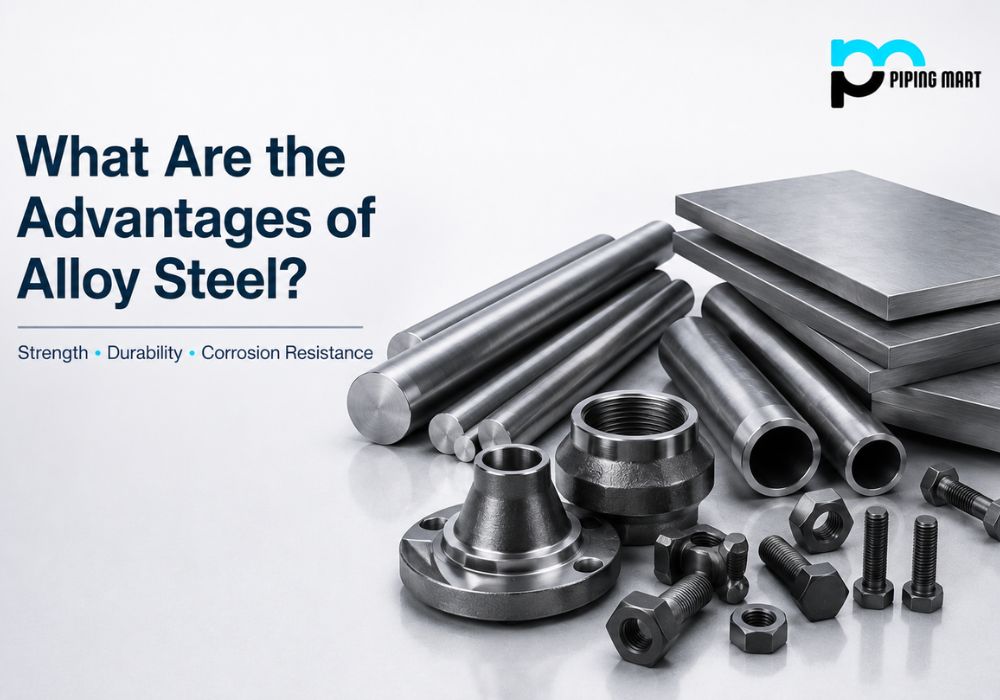
Alloy steel is one of the most widely used materials in modern engineering and manufacturing, as it offers properties that standard carbon steel does not. By adding specific elements to the iron and carbon base, manufacturers can precisely control how the metal reacts to stress, heat, and corrosion. This adaptability makes it an appealing choice for professionals in the automotive, aerospace, and construction industries who require reliable performance in harsh environments. Understanding the chemical components of these alloys is essential while selecting the ideal grade for a given project, as minor composition changes result in significant differences in yield strength and toughness. Selecting the right alloy steel ensures better durability of components and their capacity to endure more pressure without premature failure. This overview examines the technical reasoning for the prevalent use of these materials in modern industry.
What is Alloy Steel?
Alloy steel is a type of steel that is composed primarily of iron and carbon, with one or more alloying elements added in specific proportions to improve its properties. Chromium, manganese, nickel, molybdenum, vanadium, silicon, and boron are some of the elements that are used in making the final product. Each one adds something different to the mix. Chromium makes things harder and more resistant to corrosion, nickel makes things tougher and stronger at low temperatures, manganese makes things harder, and molybdenum makes things work better at high temperatures. The carbon content of alloy steel is usually between 0.2% and 1.7%. The low-alloy steels have less than 10% of other metals added to them. These changes in the chemical have a direct effect on mechanical properties like yield strength, tensile strength, ductility, hardness, and impact resistance. This makes alloy steel a flexible material that can be made to meet strict technical requirements.
Key Advantages of Alloy Steel
The 9 key advantages to using alloy steel in industrial and mechanical applications range from physical strength to harsh weather conditions.
- Improved strength and durability
The addition of elements like chromium and nickel increases the tensile strength of the metal. This means the parts can handle more weight and pressure before they start to deform or break. As the internal structure is reinforced by these additional elements, the steel does not wear down as quickly as simpler metals do under continuous use.
- Increased toughness and resilience
Toughness refers to how much energy a material can absorb before snapping. Alloy steel is highly resistant to impacts and sudden shocks as the alloying elements help to prevent cracks from spreading throughout the material. It maintains its reliability even when it is struck hard or exposed to sudden vibrations.
- Enhanced corrosion resistance
When you add things like chromium to the mix, it creates a protective layer on the surface of the steel. This helps stop rust and oxidation from eating away at the material when it gets wet or is exposed to chemicals. It is a big advantage for any part that has to sit outside or work in damp conditions.
- Increased hardenability
This refers to how deep the hardness goes when the steel is heat-treated. With alloy steel, you can get a uniform hardness all the way through a thick part, not just on the surface. This is vital for large gears or shafts that need to be just as strong on the inside as they are on the outside.
- Excellent wear resistance
The surface of alloy steel is often much tougher against friction. If you have two metal parts rubbing together, alloy steel won’t grind away as quickly as carbon steel would. This makes it a great choice for tools and machinery parts that are in constant motion.
- Customizable properties with alloying elements
You can basically “order” the properties you want by changing the recipe of the steel. If you need it to be more flexible, you add one thing; if you need it to be harder, you add another. This level of control means you aren’t stuck with a one-size-fits-all material.
- Good workability (depending on grade)
Even though it is strong, many types of alloy steel can still be machined, welded, or formed into shapes. Some grades have been specifically engineered to be easy to cut or join, saving time during the manufacturing process. It maintains a good balance between being tough and easy to work with in a store.
- Better strength-to-weight ratio
You can often use thinner or smaller pieces of steel to do the same job as a large piece of regular steel because steel is naturally stronger. This makes a machine or vehicle lighter without making it weaker. It’s very helpful when you want to cut down on the cost of materials or fuel.
- Good performance at high and low temperatures
Some metals get brittle in the cold or soft in the heat, but alloy steels are more stable. They keep their shape and strength even when things get very hot, like in an engine, or very cold, like in arctic environments. This thermal stability is a major reason they are used in power plants.
Applications of Alloy Steel in Industries
Alloy steel is used in five primary areas where standard metals usually fail to meet the safety or performance requirements.
- Automotive components (gears, shafts, axles)
Cars and trucks have many moving parts that are under constant stress and heat. Alloy steel is used for things like drivetrain gears and axles because these parts need to transfer power without snapping or wearing out. The high fatigue resistance of the metal ensures the car stays on the road longer.
- Construction structures and bridges
Structures like skyscrapers and bridges must be able to withstand extremely heavy loads and endure extreme weather conditions. To keep the structure from collapsing, engineers use bolts and structural beams made of high-strength alloy steel. Another reason it’s used is that it maintains its durability even when subjected to wet and humid conditions.
- Industrial machinery and tools
Machines that make other products are often built with alloy steel because they operate every day. Cutting tools, drills, and heavy presses use these alloys, so they don’t need to be replaced often. Wear resistance is the key factor here for keeping production lines running smoothly.
- Oil and gas pipelines
Pipelines often carry materials at high pressure and across rough ground. Alloy steel is used as it can handle this high pressure and resist the corrosive chemicals in raw oil and gas. This helps prevent leaks, which can be hazardous and costly to repair.
- Aerospace parts
Planes need materials that are strong but also as light as possible. Alloy steel is used in landing gear and engine mounts where the metal has to survive massive forces during takeoff and landing. It also handles the extreme temperature changes found at high altitudes.
Conclusion
Alloy steel is durable and a versatile solution for a wide range of modern engineering problems. It performs in several ways that basic carbon steels and pure metals cannot due to its ability to be designed through different chemical compositions. No matter what the goal is, reducing weight, preventing rust, or increasing a machine’s lifespan, there is usually an alloy grade that can handle it. Even though the initial cost is higher, lower maintenance needs and better safety requirements make it a more economical choice for professional use.
FAQ
Why is alloy steel stronger than carbon steel?
Alloy steel consists of elements such as chromium, nickel, and molybdenum. These change the internal grain structure, which makes it more difficult for the metal to deform under load. As a result, it can withstand increased stress. It also responds better to heat treatment, resulting in higher tensile and yield strength than carbon steel at the same carbon level.
How does alloy steel improve hardenability?
Elements such as manganese, chromium, and boron slow down how the structure changes during quenching. This provides more time for hardness to develop across the full section. In carbon steel, the outer surface hardens fast, but the centre often stays softer. Alloy steel tends to harden more evenly, even in thicker sections.
How does alloy steel perform in extreme temperatures and harsh environments?
Specific alloy steels are designed for high temperatures. Molybdenum and chromium help the material retain its strength and resist creep under high temperatures. Nickel, on the other hand, helps to maintain toughness at low temperatures and reduces the risk of brittle failure. As a result, alloy steel is used in both hot and low-temperature applications.
How does alloy steel resist corrosion compared to carbon steel?
Chromium plays a key role here. Even in small amounts, it reduces oxidation. With higher chromium levels, a thin oxide layer forms on the surface to protect the metal beneath. Carbon steel lacks this protection and corrodes more quickly, especially in moist or humid environments.
How do alloying elements enhance the overall performance of alloy steel?
Each element adds a specific benefit. The chromium improves hardness and corrosion resistance. Nickel improves toughness. Molybdenum helps with strength at higher temperatures. Vanadium refines the grain structure and improves fatigue strength. When used together, they help the steel meet different performance needs at the same time.
Why is alloy steel stronger than pure metals?
Pure metals have a more regular crystal structure. This allows layers to move more easily when force is applied. Alloying elements disrupt this structure. This complicates movement at the atomic level. As a result, the material becomes stronger and more resistant to deformation. This is one of the main reasons alloy steel performs better than pure metals in structural use.