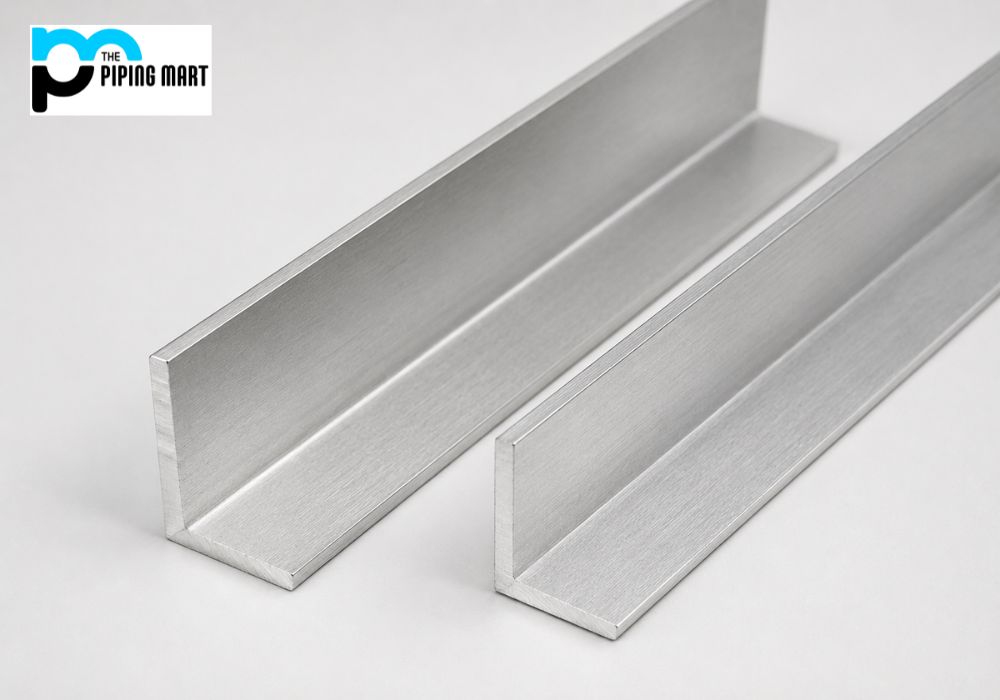
Aluminium angle is a basic building material that is used almost everywhere, from strong garage shelves to the frames of modern commercial structures. Despite its widespread presence, the sheer versatility and diverse uses of aluminium angle are often overlooked by those outside the engineering and trade sectors. This L-shaped piece of metal is preferred by experts as it is strong and lightweight, resistant to rust and corrosion, and easier to operate than heavier steel. Whether providing structural reinforcement or a clean architectural finish, its ease of cutting, drilling, and connecting makes it essential for timely project delivery. The following sections provide a clear breakdown of where this profile is most commonly applied across construction, manufacturing, and design, and explain exactly why it remains the practical choice for each application.
Key Applications of Aluminium Angle
Aluminium angle is used in 5 major industries: construction, furniture manufacturing, shelving, fabrication, and general applications. The L-shape design is used differently in each application based on its needs.
Common Uses of Aluminium Angle in Construction
In construction, aluminium angle is used for support, smooth edges, and light structural strength. Builders often choose aluminium angle for construction in areas where steel would add unnecessary weight or require extra corrosion protection.
- Structural Framework and Support
An aluminium angle bar is used for lightweight structural framing, especially for bracing and reinforcing purposes. It is used for securing the edges of walls or ceilings to maintain the alignment and stability of panels. It also serves as a support bar for cladding or panels. Common sizes like 25×25 mm or 50×50 mm are used depending on load and spacing. Smaller angles are used for light framing, while thicker ones handle more load. It also protects exposed edges from damage, which helps in high-traffic areas.
- Trim and Finishing Work
For finishing work, aluminium angle is used as edge trim on drywall, corners, and ceiling borders. It gives a straight, clean edge and reduces chipping over time. Stair nosing is another common use where edges need protection. It easily accepts paint and powder coating, allowing it to coordinate with interior finishes. Cutting and fitting are easy. Most installers prefer it over steel because it doesn’t require heavy tools and is easier to handle on-site.
- Window and Door Applications
Aluminium angle is often used around windows and doors for reinforcement and finishing. It supports frames, especially in large openings, and helps keep alignment over time. It is also used as threshold strips and backing for architraves. Weather resistance matters here. Aluminium does not rust, so it works well in areas exposed to moisture. That reduces maintenance compared to steel parts.
Aluminium Angle for Furniture Making
Furniture makers use aluminium angle where they need a structure without bulk. Aluminium angle for furniture is common in both DIY setups and commercial production, especially with modern and industrial designs.
- DIY Projects and Home Workshops
In-home workshops, aluminium angle bars are used for workbench frames, tool racks, and storage units. Many people choose it because it does not require welding. Parts can be joined using bolts or screws. It is forgiving to work with. If a cut is slightly off, it can still be adjusted during assembly. Hardware stores usually stock basic sizes, so it is easy to source. For beginners, this reduces setup time and cost.
- Commercial and Industrial Furniture
In commercial setups, aluminium angle is used for display racks, counters, and light-duty frames. It is common in retail stores and medical environments where clean surfaces are needed. It does not rust and is easy to clean, which helps in hygienic spaces. Anodised finishes are often used to improve appearance and surface durability. Different finishes also allow it to match the brand or interior colours.
Shelving and Storage Solutions
Shelving is one of the largest application areas. Aluminium angle for shelving is used in both small home units and large storage systems. It works either as a bracket or as a full frame.
- Garage and Workshop Shelving
In garages, aluminium angle is used to build shelf brackets or full shelving frames. It can support tools, boxes, and equipment when sized correctly. Many systems use a simple L-angle bracket fixed to walls. Full frames use thicker sections to support heavier loads. The load capacity is determined by size and thickness, so pressure ratings must be verified. In most applications, a 50×50 mm angle with adequate support spacing can withstand significant weight.
- Retail and Warehouse Racking
Retail stores use aluminium angle for display shelving and lightweight racks. It allows quick installation and easy changes when layouts need updating. In warehouses, it is used for lighter inventory storage. Powder coating is often applied to match store branding or to improve visibility. Compared to steel, it reduces overall weight, which helps in modular systems.
Fabrication and Manufacturing Uses
In fabrication, aluminium angle is used as a base material for building equipment structures. Aluminium angle for fabrication is common in machine frames, guards, and support systems.
- It is used for conveyor supports, protective coverings, and electrical enclosures. Engineers incorporate it into designs due to the accessibility and convenience of standard sizes. Standard stock lengths often measure approximately 6 metres, which reduces cutting waste during manufacturing.
- It also allows quick assembly using fasteners instead of welding. That saves time in setups where adjustments are expected.
Other Practical Applications
Aluminium angles possess various practical applications across different industries due to their strength, lightweight nature, and corrosion resistance.
- In vehicles and trailers, it is used for body framing and edge protection. It keeps weight low while maintaining structure.
- For signage, it acts as a backing frame to hold panels straight and secure.
- In gardens, it is used for raised beds and greenhouse frames because it does not corrode in wet soil conditions.
- In marine use, aluminium angle performs well in saltwater environments since it resists corrosion better than standard steel.
Why Aluminium Angle Works So Well
Aluminium angle performs well in daily applications. It provides an excellent strength-to-weight ratio and withstands loads without increasing structural weight. The L-shape reinforces two directions, enhancing stability at corners and edges where support is essential. As it is rust-resistant, it can endure longer in outdoor or damp environments without additional coating. Aluminium angle is easy to cut, drill, or tap with standard tools, reducing labour time. It is a cost-effective option when compared to other non-corrosive metals. Standard grades provide adequate strength for most applications, eliminating the need for specialised materials.
Wrapping Up
Aluminium angle is used in construction, furniture, shelving and fabrication due to its balanced strength, weight, and durability. It is easy to use for small DIY projects, but still reliable for professional work due to its versatility. Before buying it for your next project, verify the size and thickness of an aluminium angle. Check the available sizes and grades carefully to make sure they match the load requirements and suit the working environment.
FAQ SECTION
What sizes does aluminium angle come in?
Aluminium angle is available in dimensions ranging from around 25×25 mm to 100×100 mm or larger, with a variety of thickness options. Standard lengths usually vary between 3 and 6 metres. The majority of sellers also provide custom cutting options if required.
Can I cut aluminium angle with regular tools?
Yes, it can be cut using a hacksaw or a circular saw with a metal blade. It is much easier to cut than steel and does not need specialised equipment for basic work.
Is aluminium angle strong enough for shelves?
It is strong enough if you choose the correct size and thickness. For example, a 50x50x3 mm angle can support a good weight as a shelf bracket. Load capacity depends on spacing and fixing method, so checking that is important.
Does aluminium angle rust or corrode?
Aluminium does not rust like steel. It forms a natural oxide layer that protects it from corrosion and works well in outdoor, damp, and marine conditions.
Where can I buy aluminium angle locally?
It is available in hardware stores in the most common sizes. Metal suppliers, building supply retailers, and online dealers offer a wider selection. Industrial suppliers often stock a wider range of sizes and thicknesses.