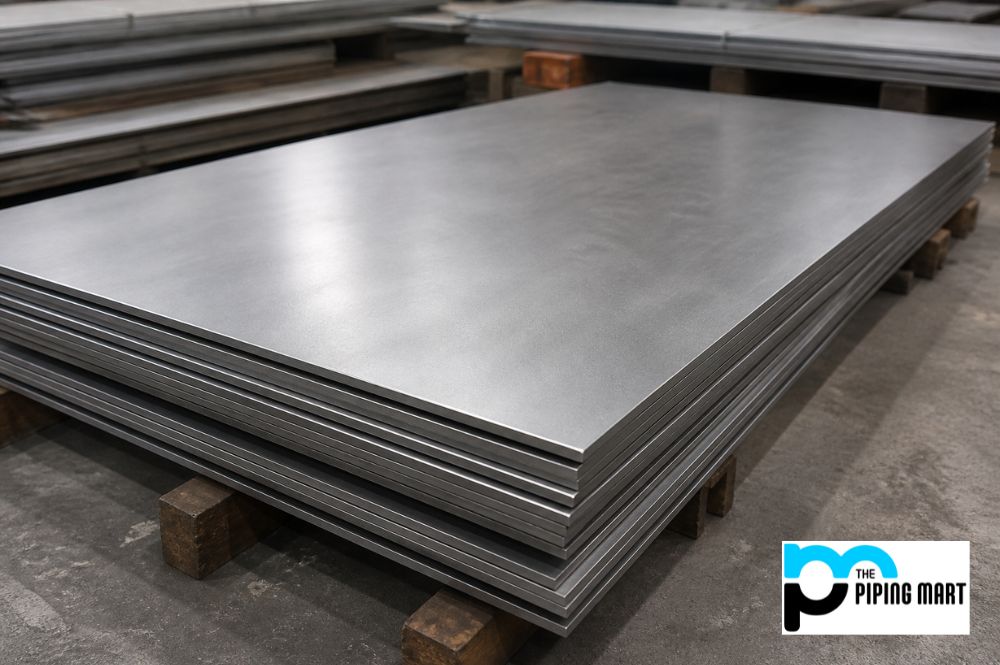
When engineers need to select materials for marine pipelines, chemical reactors, or offshore equipment, corrosion resistance is often the deciding factor. Stainless steel operates well in many conditions, but in seawater or acidic environments, it can fall short faster than expected. That’s where a Monel Sheet becomes relevant. Made primarily from nickel and copper, Monel has been used in demanding industrial applications for decades. This guide discusses the alloy composition, how it compares to stainless steel under certain conditions, the two main grades available, key applications, what to look for while purchasing and how to maintain it.
What Makes Monel Sheet Different
Monel sheet metal is primarily composed of approximately 67% nickel and 30% copper, with trace amounts of iron and manganese. This specific ratio results in a solid-solution alloy that is strong and resistant over a wide temperature range. Unlike many stainless steels that rely on a chromium oxide layer for protection, Monel is naturally resistant to corrosion in flowing seawater and hydrofluoric acid. It does not suffer from the same level of pitting that affects steel in chloride-heavy environments. While stainless steel is a great general-purpose material, it often fails in the niche, high-salt, or high-acid areas where Monel thrives. Because of the high nickel content, it is more expensive than steel, but it lasts much longer in environments where other metals would dissolve or crack within months.
Monel 400 vs Monel K500
There are two grades most buyers will encounter. Monel 400 is the standard alloy, widely used in marine and chemical processing. Monel K500 has aluminium and titanium added, which allows age-hardening to increase strength significantly. Below is a quick comparison.
| Feature | Monel 400 Sheet | Monel K500 Sheet |
| Primary Benefit | General corrosion resistance | High strength + corrosion resistance |
| Hardening Process | Cold worked | Age-hardened (precipitation) |
| Magnetic Property | Slightly magnetic at low temps | Non-magnetic |
| Yield Strength | Moderate | Very High (up to 3x Monel 400) |
| Common Use | Marine piping, tanks | Pump shafts, drill collars |
Benefits of Monel Sheets
Monel sheets offer several properties that make them worth the higher cost in the right applications. Each benefit is relevant to specific use cases, so it helps to understand what each one actually means in practice.
- Superior Corrosion Resistance: Monel resists corrosion in seawater, hydrofluoric acid, alkaline solutions, and many organic acids. It doesn’t require coatings or liners in most of these environments. That reduces maintenance and replacement frequency over time.
- High Strength and Toughness: Monel maintains its mechanical strength across a wide temperature range, from cryogenic conditions up to around 600°C. It doesn’t become brittle at low temperatures, which matters in certain offshore or refrigeration-related applications.
- Excellent Fabricability: Monel can be welded, machined, and formed using standard equipment, though it does work-harden during cold forming. Fabricators with experience in nickel alloys handle it without major issues.
- Resistance to Stress Corrosion Cracking: Unlike some stainless grades, Monel resists stress corrosion cracking in chloride environments. That’s useful in marine and chemical plant settings where both stress and corrosive media are present.
- Non-Magnetic: Monel is essentially nonmagnetic in its annealed state. This is essential for applications that require a low magnetic signature, such as those near sensitive instruments or naval equipment.
- Durability in High-Speed Seawater: Monel holds up well against erosion-corrosion caused by fast-moving seawater. Propeller shafts and pump components in marine environments benefit from this.
Applications of Monel Sheets
Monel sheet is used across industries where standard metals fail too quickly or require too much maintenance. The choice usually comes down to lifespan and reliability in aggressive conditions.
- Marine and Offshore Applications: Monel is commonly used for pump shafts, valve trim, propeller blades, and hull plating in marine settings. Offshore drilling platforms and desalination plants use it extensively because saltwater causes rapid degradation in most other metals. A desalination plant operating with Monel components can expect significantly longer service intervals compared to those using standard stainless grades.
- Chemical Processing Equipment: Heat exchangers, reactor vessels, and piping systems that handle hydrofluoric acid, sulphuric acid, or other aggressive chemicals are frequently built with Monel. It remains stable across a wide temperature range, which suits both pharmaceutical and petrochemical processing environments where temperature swings are common.
- Oil and Gas Industry Uses: Monel is used in crude oil refining equipment, sour gas handling systems, and downhole drilling components. It resists sulphur compounds well, which is a common problem in oil and gas environments. Downhole tools that come into contact with hydrogen sulphide particularly benefit from Monel’s resistance to sulphide-related degradation.
Buying Monel Sheet: What to Know
Purchasing a monel sheet involves understanding specifications, sizes, and realistic cost expectations. Getting this right upfront avoids delays and compatibility issues later.
- Thickness and Sizes: Standard Monel 400 sheet is available in thicknesses from around 0.025″ to 0.5″. Sheet sizes typically follow standard metal formats, though custom cutting is available from most suppliers. Finish options include hot-rolled, cold-rolled, and annealed. Annealed is the most common for applications requiring further forming.
- Pricing: Monel is expensive. The high nickel content drives cost, and prices fluctuate with nickel market rates. Buyers switching from stainless steel should expect to pay significantly more per kilogram. That said, in the right application, the longer service life offsets the upfront cost over time.
- Specifications and Standards to Request
Always ask your supplier for documentation to ensure the alloy meets the required chemical and mechanical properties.
- ASTM B127: This is the standard specification for Monel 400 plate, sheet, and strip.
- ASTM B865: Use this standard when you are ordering Monel K500 for high-strength needs.
- ASME SB-127: This is required if the material is going into a pressure vessel or boiler application.
Requesting a Mill Test Certificate (MTC) is the best way to verify you aren’t getting a lower-grade imitation. This document proves the batch was tested for its specific nickel and copper content.
How to Maintain Monel Sheet
While Monel is known for being low-maintenance, you still have to follow a few rules to keep it in top shape during its service life.
Cleaning and Corrosion Prevention: Routine cleaning with mild detergent and water is enough for most situations. Avoid chlorine-based cleaners; they’re unnecessary and can affect surface quality over time. Monel may develop a brownish tarnish in some environments; this is normal oxidation and not an indication of corrosion damage. It doesn’t need to be removed unless appearance matters.
- Dos and Don’ts:
- Conduct regular cleaning in marine environments.
- Use non-chlorinated cleaning agents.
- Avoid using abrasive pads that deposit iron particles on the surface.
- Don’t use tools that have been used on carbon steel without thorough cleaning first.
Handling Surface Damage and Repairs: Minor scratches can be removed with light polishing using the appropriate abrasives. If contamination from iron particles occurs, passivation treatment can be beneficial. For welding repairs, use ERNiCu-7 filler material; using the wrong filler can reduce corrosion resistance at the weld zone. Iron contamination is a common issue that must be carefully avoided.
Common Problems and How to Avoid Them
The majority of problems with monel sheet are caused by improper handling or fabrication practices, not material defects. Being aware of these helps you avoid costly mistakes.
Cross-Contamination with Other Metals: Iron particles from tools or storage near carbon steel can become embedded in the Monel surface, causing rust spots. This does not imply that the monel is corroding, but it does resemble corrosion and may be mistaken for material failure. Use separate tools for monel, or clean shared tools well before using them.
Fabrication Challenges: Monel work-hardens during bending and forming, which means it becomes stiffer as you work it. Fabricators unfamiliar with nickel alloys sometimes underestimate this. The machining requires carbide-tipped cutters. Stress-relief heat treatment after forming is worth considering for components that will be subjected to load in service.
Conclusion
Monel sheet performs well in corrosive environments where stainless steel breaks down, particularly in seawater, acidic media, and sulphur compounds. Two main grades meet most needs: K500 is for uses that need a higher mechanical strength, and Monel 400 is for general marine and chemical use. It is easy to maintain, but proper handling during fabrication and storage is critical to prevent cross-contamination and surface problems. If you’re specifying a monel sheet for a project, consult with a materials engineer to ensure that the grade, thickness, and finish are appropriate for your specific operating conditions.
FAQ SECTION
Is a Monel sheet worth the higher cost?
Yes, it is worth it if you are working in seawater or acid environments where stainless steel fails every few years. The upfront cost is high, but since it lasts 3 to 5 times longer, you save money on replacement labour and downtime.
Can you weld a Monel sheet easily?
Yes. You can weld it using TIG or MIG methods, provided you use ERNiCu-7 filler metal. The surfaces must be completely clean of oil and grease, and while you don’t usually need to preheat, a stress-relief heat treatment is a good idea for heavy sections.
Does Monel sheet rust in saltwater?
No. Monel resists saltwater corrosion very well; it’s one of the main reasons it’s used in marine applications. It may develop a dark patina over time, but that’s a surface effect, not structural corrosion.
What thickness of Monel sheet do I need?
The thickness of the sheet is determined by the amount of pressure or weight it must support. Simple gaskets or shims are often 0.025″ to 0.125″, but boat hulls or tanks will require 0.25″ or thicker. Check your specific pressure ratings first.
Where can I buy small quantities of Monel sheet?
Speciality metal suppliers and online industrial material retailers carry Monel in smaller quantities. Minimum order requirements vary by supplier. Buying in small quantities generally costs more per kilogram due to the material’s value and handling requirements.