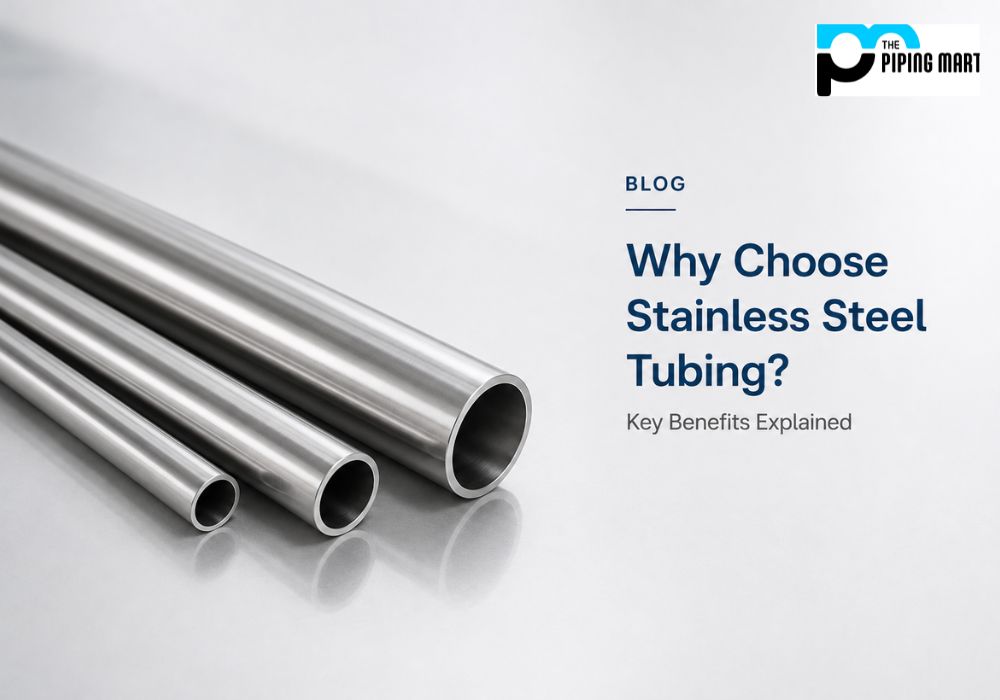
Stainless steel tubing is used across a broad range of industries, from chemical processing and food production to oil and gas and pharmaceutical manufacturing. Its popularity is not accidental. The material holds up under conditions that would cause other metals to fail quickly. Whether it is stainless steel instrumentation tubing in precision control systems or high-pressure stainless steel tubing in demanding process lines, the performance stays consistent. This piece covers the main reasons why engineers and procurement teams keep coming back to stainless steel tubing and what specific properties make it worth considering over alternative materials.
Key Benefits Of Stainless Steel Tubing
Below are the key reasons stainless steel tubing gets chosen over carbon steel, copper, or plastic in most process and industrial applications.
Reliability
The Stainless steel tubing performs in a predictable way and maintains its strength under normal operating conditions. Engineers understand how it will behave at different temperatures and pressures, so it is less likely to fail without warning. This reliability helps prevent unplanned shutdowns, saving time and money, and gives the tubing a strong record of long, trouble-free service.
Long Service Life
In most conditions, stainless steel tubing lasts for decades. The passive oxide layer that forms on the surface continues protecting the metal even after surface contact or minor wear. In many stainless steel tubing applications, the tubing remains serviceable long after the equipment around it has been replaced. That reduces how often replacements need to be scheduled.
Versatility
The same base material covers a lot of ground. It works in cryogenic lines, steam systems, sanitary fluid transfer, and corrosive chemical environments. Different grades suit different conditions, so there is almost always a stainless option that fits without switching to an entirely different material. That is part of why it appears in so many sectors.
Performance in Harsh Environments
Offshore platforms, mining operations, and chemical processing plants all place heavy demands on any material used in piping or tubing. Stainless steel tubing copes with aggressive media, fluctuating temperatures, mechanical vibration, and humid or wet conditions better than most alternatives. It does not become brittle at low temperatures and does not lose structural integrity at elevated temperatures either.
Excellent Corrosion Resistance
The chromium content, typically 10.5% or more, creates a passive oxide layer that protects against most corrosive agents. In environments with chlorides, acids, or persistent moisture, the right grade of stainless steel holds up where carbon steel would corrode through. Grade 316L is the standard choice for marine and chemical environments because the molybdenum addition specifically improves resistance to chloride attack.
High Strength and Durability
Stainless steel tubing achieves good tensile strength without requiring heavy wall thickness. That is useful where installation space is limited or where total system weight matters. The material also handles physical contact and impact during installation without damage as readily as thinner-walled alternatives. Fewer handling defects before commissioning means fewer problems once the system is running.
Heat and Pressure Resistance
High-pressure stainless steel tubing is rated for hydraulic lines, instrument connections, and process piping where pressures run high. It does not creep or deform under sustained load the way some plastics do. Austenitic grades in particular maintain reliable performance at elevated temperatures where carbon steel would need protective treatment or more frequent inspection to remain serviceable.
Hygienic and Easy-to-Clean Surface
In food processing, pharmaceutical, and biotech plants, equipment surfaces that do not support bacterial growth must be easy to clean between batches. Stainless steel tubing has a smooth, non-porous surface that makes this possible. It works well with CIP and SIP cleaning systems, which is why it is the common choice for sanitary process lines in these industries.
Low Maintenance Requirements
Once installed, stainless steel tubing does not require much ongoing attention. It does not need protective coatings or regular anti-corrosion treatments. In installations that are difficult to access or remote, this reduces maintenance visits and the costs that go with them. Fewer shutdowns for maintenance work are a practical operational benefit, particularly in continuous process environments.
Long-Term Cost Efficiency
The material costs more upfront than carbon steel or plastic options. That is not a reason to rule it out. Over the life of a system, the combination of long service life, low maintenance, and infrequent replacement generally results in a lower total cost than cheaper alternatives that need more attention or earlier replacement. For stainless steel instrumentation tubing in control and measurement systems, the operational cost of a failure usually outweighs whatever was saved on material at the start.
Conclusion
Stainless steel tubing is a reliable material for applications that need durability and corrosion resistance over the long term. It covers a broad range of operating conditions, and the grade options mean it can be matched to most environments. The upfront cost is higher than alternatives, but the maintenance and replacement picture over time generally favours it. For anyone specifying tubing in demanding process or industrial applications, stainless steel is the practical starting point.
FAQs
What are the grades of stainless steel tubing?
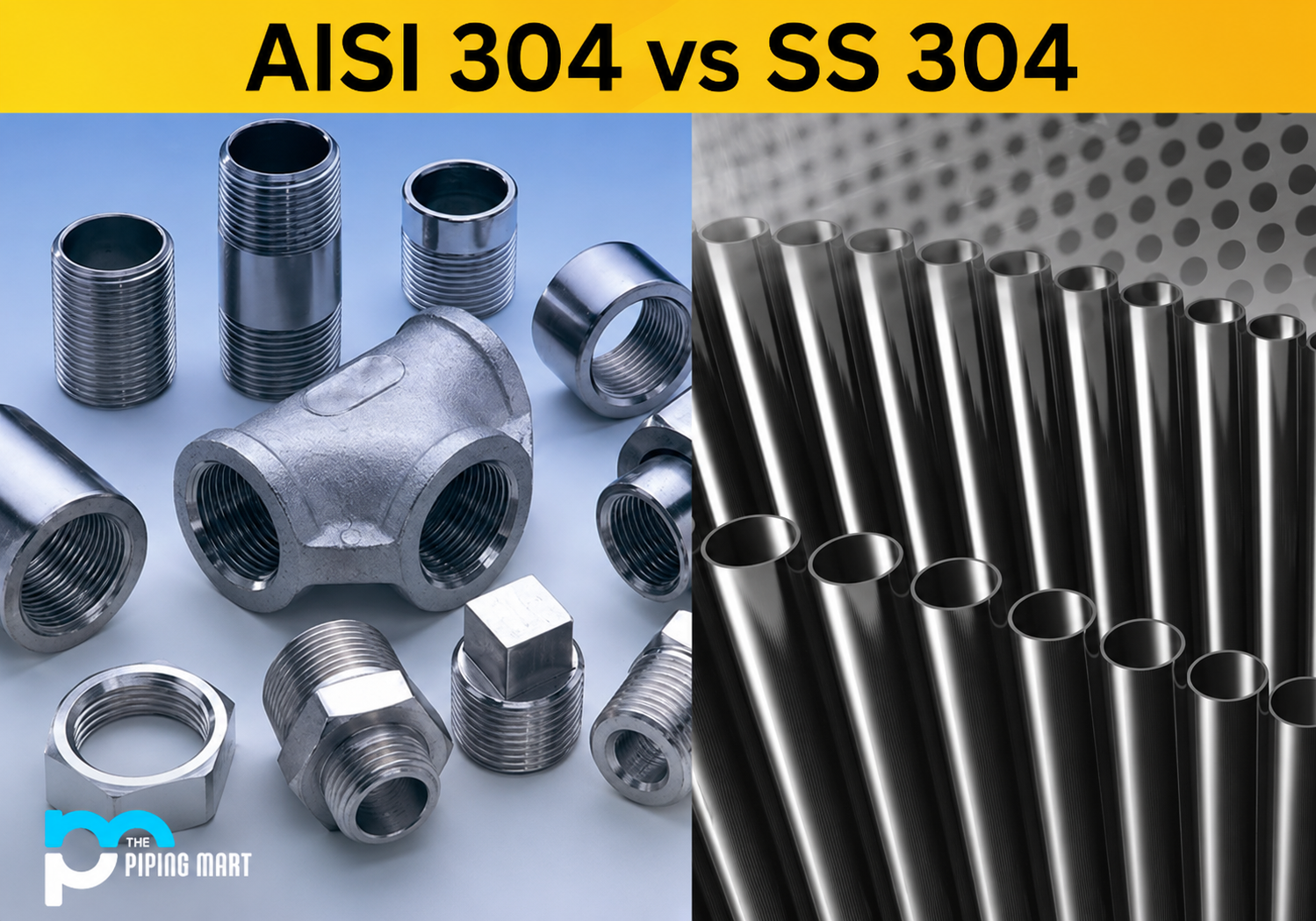
The most commonly used grades are 304, 304L, 316, and 316L. Grade 304 is a general-purpose austenitic stainless steel that can be used in most common environments. Molybdenum is added to grades 316 and 316L to increase resistance to chlorides and acids; therefore, these grades are more suitable for marine, chemical, and pharmaceutical applications. If higher strength or better resistance to stress corrosion cracking is desired, duplex grades are specified, e.g., 2205.
What are the main advantages of stainless steel tubing?
Stainless steel tubing properties include corrosion resistance, long service life, strength, and low maintenance. The material can withstand a variety of operating pressures and temperatures. A handful of grades also comply with the standards for foods and pharmaceutical uses. It can also be recycled 100% for projects with sustainability requirements.
Which industries use stainless steel tubing the most?
The stainless steel tubing is used in various industries, like oil and gas, chemical processing, food and beverage, pharmaceuticals, power generation, and marine. It is very often used for process piping, heat exchangers, hydraulic systems, instrument lines, and fluid transferring. It is a strong material, resistant to corrosion and suitable for various industrial applications.
Is stainless steel tubing resistant to corrosion and chemicals?
Yes. A passive chromium oxide coating over the surface, which protects the surface from most acids, alkalis, and oxidising environments. The level of protection is dependent on the grade. Grade 304 will not withstand environments containing high levels of chloride or chemically aggressive environments as well as grade 316 does. It is advisable to review compatibility with the relevant grade (where relevant or for high-concentration chemical combinations) before finalising the specification.
How long does stainless steel tubing last in industrial environments?
Several decades in most conditions, provided the correct grade is selected and installation is done properly. The passive oxide layer reforms if it is disrupted, which gives the material some inherent self-protection. Service life varies with environment, temperature, pressure, and grade, but 20 to 30 years in standard industrial conditions is not unusual. In less demanding environments, the tubing can last considerably longer.