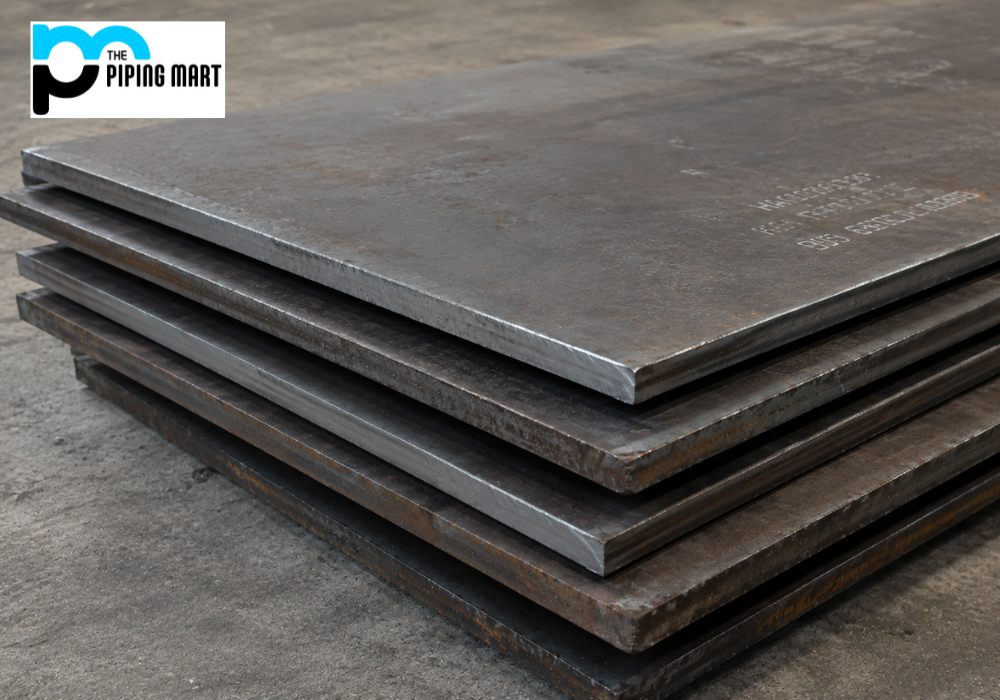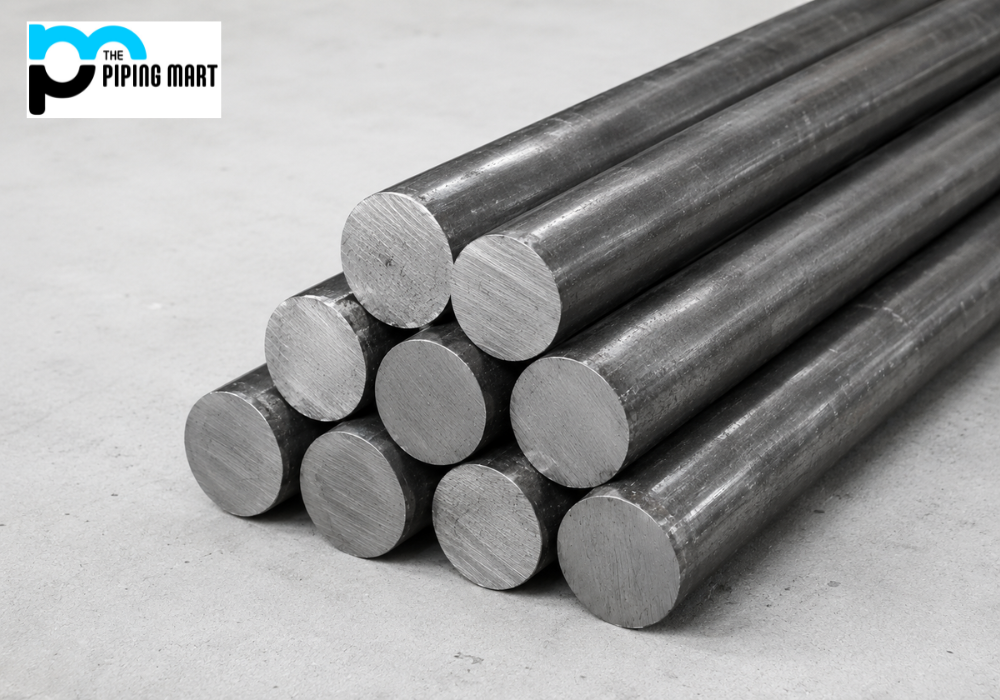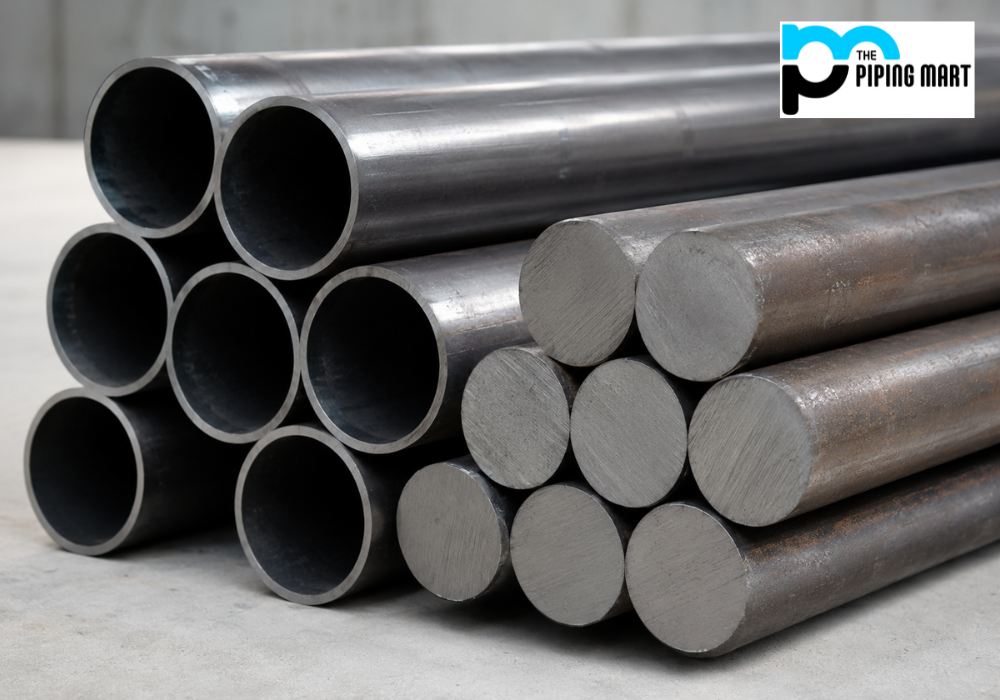
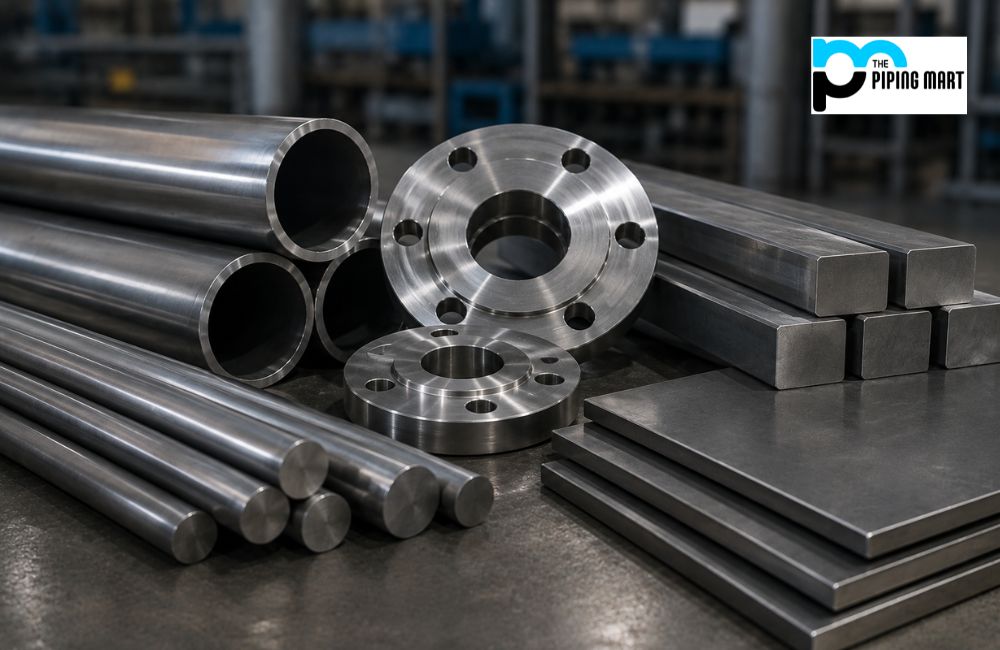
Alloy steel is a widely used engineering material in various industries, including automotive, aerospace, construction, and energy. To achieve particular mechanical and chemical properties, iron is combined with one or more alloying elements such as chromium, nickel, molybdenum, manganese, or vanadium. Unlike plain carbon steel, which has limited performance under extreme conditions, alloy steel is specifically designed to meet specifications like high strength, wear resistance, and thermal stability. This guide provides a detailed understanding of its composition, grades, types, and applications, which allows engineers and procurement professionals to select the right material based on their requirements.
What is Alloy Steel?
Alloy steel consists of iron and carbon, with other elements added to improve its specific properties. These added elements include chromium, nickel, molybdenum, manganese, silicon, vanadium, and tungsten, among others. The added concentration of these elements determines whether alloy steel is low-alloy (less than 8% total alloying content) or high-alloy. These elements change the structure of the steel, which affects its properties, such as hardness, tensile strength, toughness, and corrosion resistance. In situations where plain carbon steels would not function well enough, alloy steels are used.
What Is the Composition of Alloy Steel?
The composition of alloy steel depends entirely on what you want the finished product to do. It consists of iron and carbon, with the addition of specific alloying agents.
| Element | Typical Percentage | Primary Purpose |
| Carbon | 0.1% – 2.0% | Increases hardness and strength |
| Manganese | 0.3% – 1.5% | Improves hot-working properties and sturdiness |
| Chromium | 0.5% – 18% | Increases corrosion resistance and hardness |
| Nickel | 0.3% – 5.0% | Improves toughness and impact resistance |
| Molybdenum | 0.1% – 0.5% | Increases strength at high temperatures |
| Vanadium | 0.1% – 0.2% | Refines grain size and improves wear resistance |
How Is Alloy Steel Made? – Manufacturing Process
The manufacturing of alloy steel involves several controlled stages, as each is essential for achieving the required chemical composition and mechanical properties.
- Melting: Raw materials like iron ore or scrap steel are melted in an Electric Arc Furnace (EAF) or a Basic Oxygen Furnace, forming liquid steel that can then be cleaned or improved.
- Refining and Alloying: After melting, the steel is conveyed to a ladle, where impurities such as phosphorus and sulphur are eliminated. At this stage, alloying elements like nickel and chromium are added to the steel.
- Casting: The liquid steel is poured into moulds or through a continuous casting machine to form solid shapes like billets, blooms, or slabs.
- Forming: These solid shapes are then rolled or forged into the final products, such as bars, plates, or sheets, changing the internal grain structure.
- Heat Treatment: This is the final step, in which the steel is heated and cooled at controlled rates to determine its hardness and strength.
| Process | Temperature Range | Purpose |
| Electric Arc Melting | 1600°C+ | Base metal production |
| AOD Refining | 1550–1650°C | Removal of impurities |
| Continuous Casting | 1400–1500°C | Shaping into billets/slabs |
| Hot Rolling | 1100–1250°C | Mechanical deformation |
| Annealing | 750–900°C | Stress relief and softening |
| Quenching & Tempering | 800–950°C / 150–650°C | Hardness and toughness control |
Grades of Alloy Steels
Alloy steel grades are standard categories used to identify the composition and performance of different alloy steels. Each grade is made for a specific type of service, depending on temperature, pressure, and strength needs.
Alloy Steel Grade 1
This grade contains a low amount of alloying elements. It is used in general applications where extreme strength is not required. It is most commonly found in basic structural components and low-pressure piping.
Alloy Steel Grade 5
Grade 5 consists of chromium and molybdenum. These elements improve strength and hardening. It is often used for fasteners and components that operate at high temperatures under pressure.
Alloy Steel Grade 9
This grade includes nickel, which improves toughness at low temperatures. It is used in equipment that operates below -45°C, such as cryogenic vessels and storage systems.
Alloy Steel Grade 11
Grade 11 has around 1.25% chromium and 0.5% molybdenum. It performs well at higher temperatures. It resists oxidation and maintains strength over time. Common uses include boiler tubes, heat exchangers, and refinery piping.
Alloy Steel Grade 12
This is close to Grade 11 but with slight differences in composition. It also uses chromium and molybdenum. It is used in steam piping and pressure vessels where temperatures are moderate, not extremely high.
Alloy Steel Grade 22
Grade 22 contains about 2.25% chromium and 1% molybdenum. It handles high temperature conditions better than lower grades. You will find it in power plants and refineries, especially in piping systems exposed to heat for long durations.
Alloy Steel Grade 91
This is a modified 9Cr-1Mo steel with added vanadium, niobium, and nitrogen. It holds strength well at high temperatures and resists oxidation. It is used in advanced power plant systems, mainly in steam lines and headers.
Alloy Steel Grade 92
Grade 92 is similar to Grade 91 but with tungsten added and some molybdenum reduced. This improves long-term stability at high temperatures. It is used in ultra-supercritical power plants where both temperature and pressure are very high.
Alloy Steel A204 Grade A
This is a molybdenum-based pressure vessel steel with about 0.5% molybdenum. It works in moderately high-temperature conditions. Mostly used in welded pressure vessels.
Alloy Steel A204 Grade B
Grade B has slightly higher molybdenum than Grade A. Because of that, it performs better under higher temperature conditions. It is used in heavier pressure vessels where strength and temperature resistance are more critical.
The table below summarises alloy steel grades –
| Grade | Key Alloying Elements | Primary Application |
| Grade 1 | Low alloy | General structural use |
| Grade 5 | Cr-Mo | High-temp fasteners |
| Grade 9 | Ni | Cryogenic equipment |
| Grade 11 | 1.25Cr-0.5Mo | Boiler tubes, heat exchangers |
| Grade 12 | Cr-Mo | Steam piping |
| Grade 22 | 2.25Cr-1Mo | Power plants, refineries |
| Grade 91 | 9Cr-1Mo-V | Advanced steam lines |
| Grade 92 | 9Cr-W-Mo | Ultra-supercritical power plants |
| A204 Gr A | 0.5Mo | Pressure vessels |
| A204 Gr B | Higher Mo | Heavy pressure vessels |
Properties of Alloy Steel
Alloy steel properties depend on the elements added and how the steel is heat-treated. Small changes in composition can shift performance significantly.
- Enhanced tensile strength
Adding chromium and manganese increases both yield and tensile strength compared to plain carbon steel. The material can take higher loads. In many cases, sections can be kept thinner without losing strength.
- Improved hardenability
Elements like chromium and molybdenum help to improve heat treatment, particularly during quenching. They enable the steel to harden throughout its entire thickness, rather than just at the surface. This is significant for thicker components where consistent hardness is essential.
- Toughness and impact resistance
Nickel supports toughness, especially at low temperatures. It helps the steel stay ductile instead of becoming brittle. This is why nickel-alloy steels are used in low-temperature service, including cryogenic conditions.
- Corrosion and oxidation resistance
When chromium is above about 10.5%, a thin oxide layer forms on the surface. This layer slows down corrosion and oxidation. It is a natural protection, so external coatings are not always needed.
- Wear and abrasion resistance
Vanadium and tungsten form hard carbides inside the steel. These carbides resist surface wear. This is useful in tools, dies, and parts that see constant friction.
- Grain structure refinement
Elements like vanadium control grain growth during heating. Finer grains improve both strength and ductility. The material behaves more consistently under load.
- Creep resistance
At high temperatures, steels with molybdenum or cobalt show better resistance to slow deformation under constant stress. This is required in parts like boiler components and turbine sections, where temperature and load stay high for long periods.
Characteristics of Alloy Steel
The characteristics of alloy steel are largely determined by the type and quantity of elements added to the base iron-carbon matrix.
- Compositional Versatility:
Alloying elements can be adjusted across a wide range, between 1% to 50% by weight, to produce steels with very different performance profiles. The same base material can be tuned for cryogenic piping or high-pressure steam service, depending on what is added.
- Microstructural Control:
During solidification, aluminium helps remove oxygen and refine the grain structure. This leads to a more uniform grain size, which provides consistent mechanical properties in application.
- Classification by Concentration:
The Low-alloy steels contain less than 8% of total alloying content, while high-alloy steels exceed this limit. The degree of alloying directly affects phase stability, chemical reactivity, and heat treatment response.
- Enhanced Hardenability:
Alloy steels can achieve hardness by cooling at slower rates than plain carbon steel. This reduces the risk of cracking and distortion during heat treatment, particularly in complex shapes or thicker sections.
- Environmental Adaptability:
Certain alloy steels are designed specifically for their chemical environment. Chromium-containing steels form a self-repairing oxide layer, which is the defining feature of stainless steels.
- Thermal Stability:
At temperatures where carbon steel would deteriorate or distort, alloy steels are designed to maintain structural integrity. As a result, they are essential for aerospace, power generation, and petrochemical equipment.
- Synergistic Element Interaction:
When different alloying elements are added to steel at the same time, they often work better together than they do on their own. This combined, or synergistic, effect is very important when designing new alloys.
Steel Alloy Advantages and Disadvantages
Alloy steel offers significant performance benefits over plain carbon steel, but it also comes with certain limitations that need to be considered during material selection.
| Advantages | Disadvantages |
| Higher Tensile Strength: Elements like chromium, manganese, and vanadium increase strength, so components can be made lighter without losing structural performance | Higher Cost: Grades with nickel, molybdenum, or high chromium content can cost two to five times more than standard carbon steel. |
| Corrosion Resistance: Chromium builds a protective oxide layer on the surface, which holds up well against moisture and chemicals. exposure, cutting down on maintenance over time. | Machinability: Higher hardness makes it difficult to cut a metal. Tools wear out faster; cutting speeds must be slower, as they require specific cutting tools. |
| Wear Resistance: Hard carbide formation and consistent hardness through thicker sections mean parts last longer under heavy load and abrasive conditions. | Welding Challenges: Many grades need pre-heat and controlled post-weld treatment. Skip those steps, and you risk cracking or embrittlement near the weld. |
| High-Temperature Performance: Grades with molybdenum, chromium, or cobalt maintain their strength at high temperatures. This makes them suitable for boilers, pressure vessels, and turbine parts. | Heat Treatment Sensitivity: Getting the properties right requires tight control over temperature and cooling rate. Small errors can lead to uneven hardness or internal stress. |
What Are the Main Types of Alloy Steel?
Alloy steels are ideally classified based on the percentage of alloy added and the steel’s intended application.
- Low-alloy Steel
These steels have less than 8% alloying elements. They give better strength and toughness than plain carbon steel but are still fairly economical. Used in structural parts, pipelines, and pressure vessels. In most cases, they are chosen when some improvement is needed but not at a very high cost.
- High-alloy Steel
Here, the alloy content is above 8%. Stainless steel falls under this group. These steels are used where conditions are more severe, like high temperatures or corrosive environments. Some are also selected for specific magnetic or mechanical properties.
- Tool Steel
Tool steels contain elements like tungsten, molybdenum, vanadium, and chromium. They are heat-treated to get very high hardness and good dimensional stability. Common in cutting tools, dies, punches, and moulds. They hold shape well even under stress and heat.
- High-strength Low Alloy (HSLA) Steel
These steels use small additions of elements such as niobium, vanadium, or titanium, usually below 0.1%. The aim is to increase strength without raising carbon too much. This helps keep weldability reasonable. Used in bridges, pipelines, and vehicle structures where weight matters.
- Stainless Steel
Stainless steels have at least 10.5% chromium. This forms a thin protective layer that resists corrosion. There are different types like austenitic, ferritic, martensitic, and duplex. Each one is selected based on the required strength and corrosion resistance.
- Advanced High-Strength Steel (AHSS)
AHSS is designed using controlled microstructures like dual-phase and TRIP. These steels provide high strength while maintaining a low weight. It is mostly used in automotive parts, especially body panels and structural sections.
- Maraging Steel
Maraging steels are designed for very high strength. They contain a high amount of nickel, around 17–19%, along with cobalt and molybdenum. Strength comes from ageing, not carbon. Used in aerospace parts and tooling. They also maintain good toughness compared to other steels.
Application of Alloy Steel
Alloy steel is widely used across industries, and the selection of grade and composition depends on the specific mechanical, thermal, or chemical requirements of the application.
- Automotive Industry: Chromium-molybdenum and nickel-alloy steels are used to make crankshafts, connecting rods, gears, and axle shafts. These components experience repeated loading, so they need high fatigue strength and good resistance to surface wear to keep performing well throughout their service life.
- Aerospace Engineering: Landing gear assemblies, turbine engine components, and structural airframe members are made of alloy steels that contain cobalt or tungsten. Aerospace alloys must have a high strength-to-weight ratio and be resistant to high-temperature oxidation.
- Construction and Infrastructure: HSLA steels are used in building bridges, high-rise structures, and heavy machinery. Higher yield strength requires less material to carry the same load, which is especially useful in large-scale construction projects where weight and cost are strictly controlled.
- Energy and Power Generation: Chrome-molybdenum steels are used in power plant pressure vessels, steam boilers, and piping systems. These materials have the creep resistance required to operate safely at temperatures and pressures where plain carbon steel would deform over time.
- Tool and Die Manufacturing: Cutting tools, drills, punches, and forming dies are made from tool steels with high tungsten, molybdenum, and vanadium content. They must maintain hardness and dimensional accuracy at high temperatures generated by high-speed machining.
- Oil and Gas Extraction: Drill bits, casings, and pipelines in corrosive or high-pressure environments use nickel and chromium alloy steels. These materials can withstand hydrogen sulphide attack and saltwater corrosion, which are common in oil and gas production environments.
- Railway Infrastructure: Manganese alloy steel is used in railway tracks and switches. Manganese steel hardens as train wheels repeatedly impact the rail surface, which makes it highly resistant to wear and therefore used in high-impact applications.
- Marine Applications: Stainless alloy steels containing at least 10.5% chromium are used in ship hulls, propellers, and desalination equipment. The chromium oxide layer protects against the highly corrosive effects of prolonged seawater exposure.
Conclusion
Alloy steel offers various materials, each known by its unique combination of alloying elements and heat treatment. The working conditions, such as high temperatures, corrosion, repeated loading, or heavy wear, determine which steel grade is chosen. Low-alloy steels work well for structures and pressure equipment. High-alloy steels and special grades, like tool steels and maraging steels, are used when higher performance is needed. Understanding types of composition, properties, and uses helps engineers and procurement teams to choose the right material. When used properly, alloy steel provides reliable performance and durability in various industrial applications.
FAQs
What is the melting point of Alloy Steel?
Alloy steel has a melting point of around 1430°C to 1540°C. Depending on the elements used, some additives reduce the melting temperature.
What Temperature Is Required to Harden Alloy Steel?
Most alloy steels are heated to between 815°C and 900°C before being quenched. This temperature allows the internal structure to change so it can become hard when cooled.
How Much Carbon Is in Alloy Steel?
The carbon content usually remains between 0.1% to 0.5% for most structural alloys. Some speciality tool steels might go higher, but keeping carbon low helps with welding and toughness.
What is the weight of Alloy Steel?
It weighs about the same as regular steel, at 7850 kilograms per cubic metre. Adding small amounts of alloys doesn’t change the physical weight much.
Does Alloy Steel rust?
Yes, most alloy steels will rust if they aren’t protected or don’t have enough chromium. Only high-alloy types like stainless steel are truly resistant to rusting in wet conditions.
What is the density of Alloy Steel?
The density is about 7.85 g/cm³. As it is the standard density for almost all steel alloys, high-tungsten steels may be slightly denser due to the weight of that particular element.