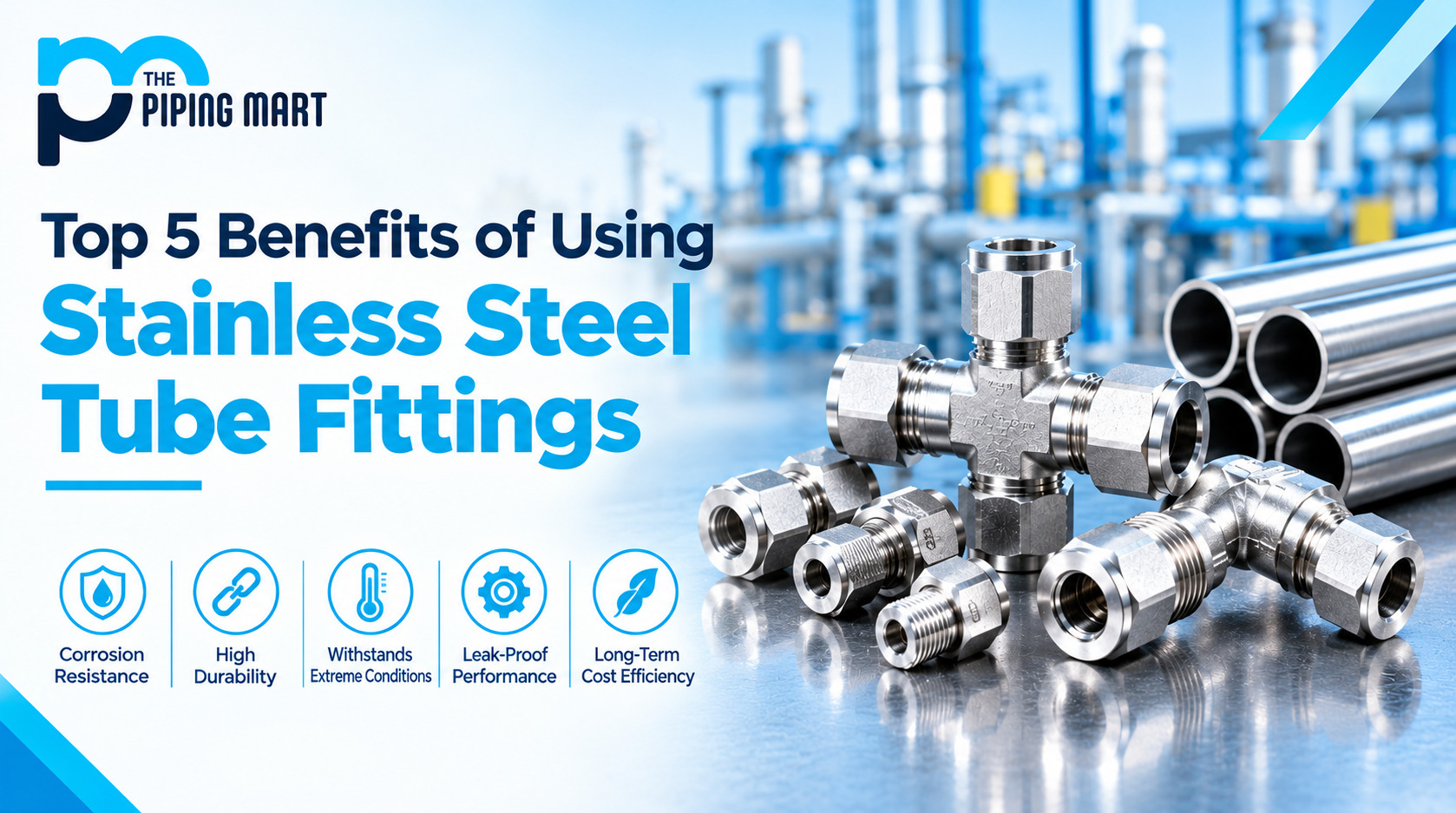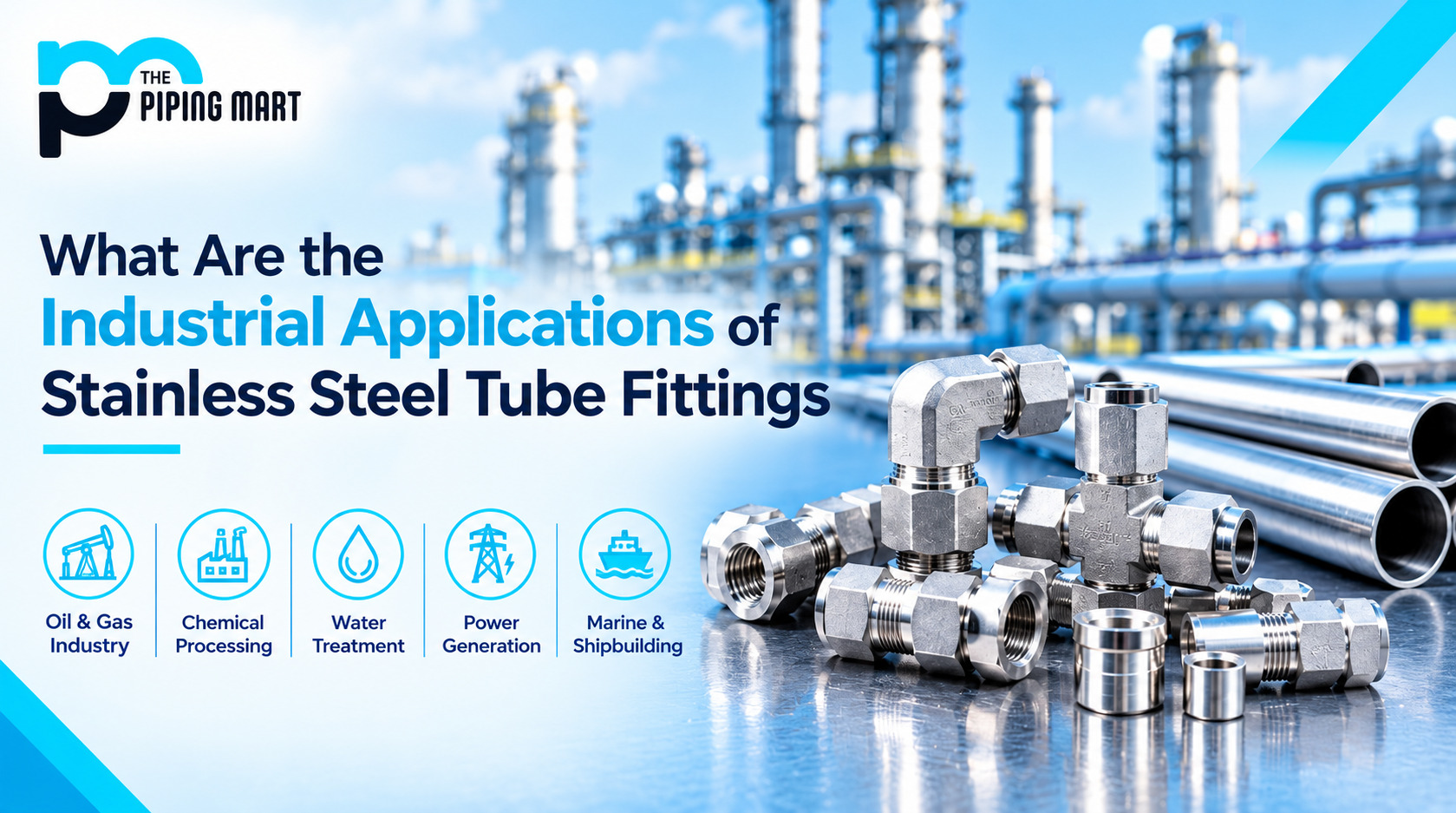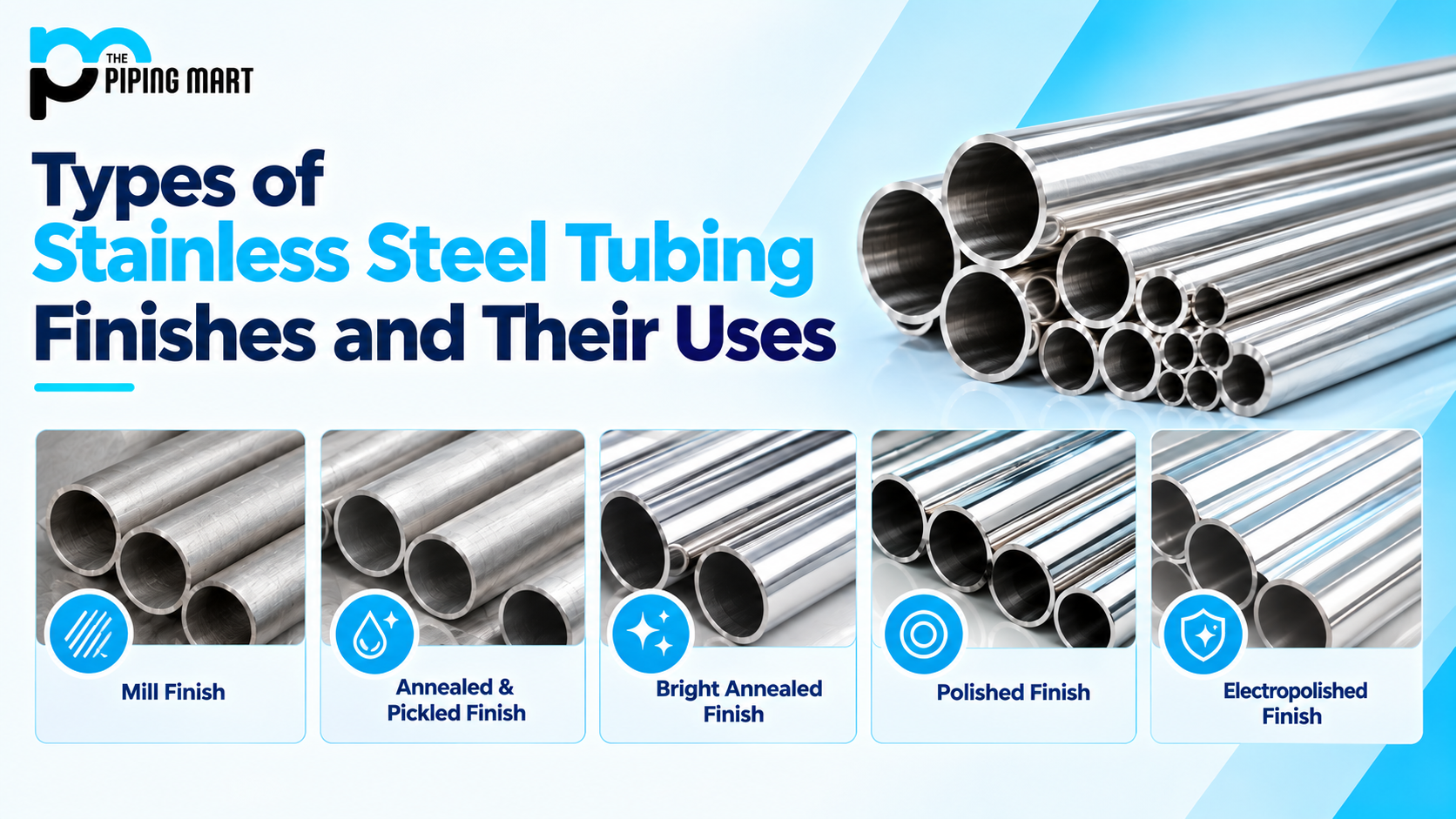
Stainless steel pipe fittings are the structural joints of any piping system that connect pipe sections, redirect flow, create branch connections, manage diameter transitions, and terminate pipe runs cleanly and securely. Where the selection of pipe material alone determines how long a system lasts, the fitting selection determines how reliably the joints between those pipes perform under the same service conditions. Corrosion resistance, surface cleanliness, mechanical strength, temperature capability, and fluid compatibility influence fitting selection. These factors support the use of stainless steel fittings in chemical processing, oil and gas, food and beverage, pharmaceutical, marine, water treatment, power generation, and construction applications.
What Are Stainless Steel Fittings?
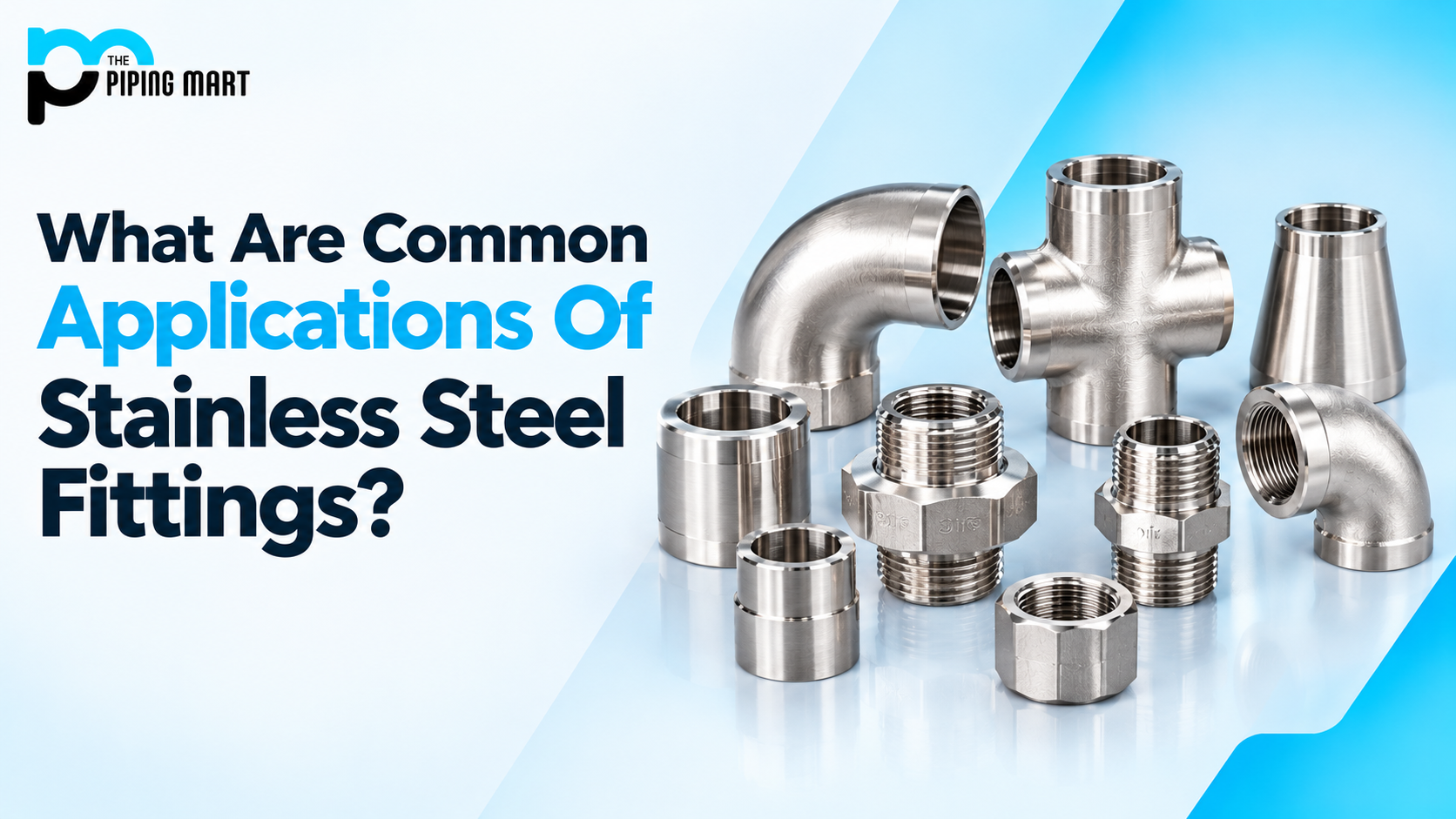
Stainless steel pipe fittings are piping components manufactured from stainless steel alloys and used to connect, redirect, branch, reduce, or terminate sections of a piping system. Common types include elbows, tees, reducers, couplings, caps, plugs, crosses, and unions. The grade, fitting type, connection method, and dimensional standard should match the fluid, temperature, pressure, corrosion conditions, and hygiene requirements of the application.
Common Applications of Stainless Steel Fittings
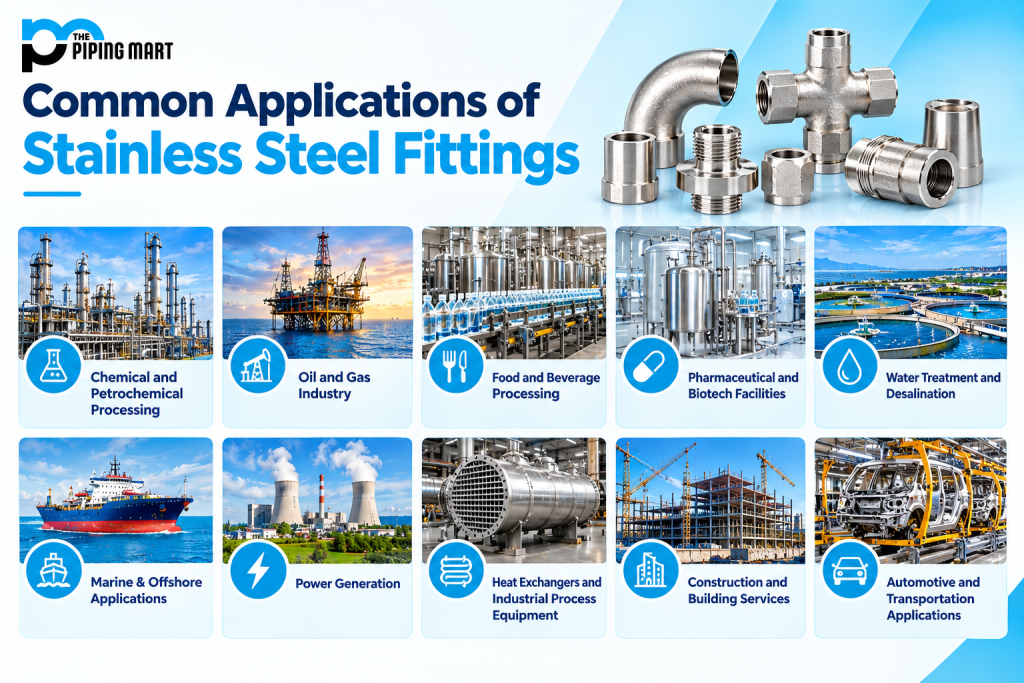
Chemical and Petrochemical Processing
In chemical processing plants, pipework is exposed to hostile media such as strong acids, halide compounds, and mixed solvents that quickly damage conventional steel. General process pipe applications with modest quantities of acid and chlorides use grade 316 and 316L stainless steel fittings such as elbows, tees, and reducers. For extreme circumstances with hydrofluoric or sulfuric acids, heavy alloy choices such as 317L, 904L, or super duplex are needed. These fittings divert streams, control transitions of equipment nozzles, and maintain long-term structural integrity in fluid routing systems.
Oil and Gas Industry
Stainless steel fittings are used throughout process lines, instrumentation manifolds, and heat exchangers of the upstream, midstream, and downstream oil and gas infrastructure. Operating environments vary from mild utility water applications made of 304 stainless steel to sour service lines with hydrogen sulfide, carbon dioxide, and chlorides requiring duplex alloys. The key is to properly match the grades to the chemistry, temperature, and operating pressure to minimize costly material failure. Fitting selection should balance corrosion resistance, mechanical requirements, temperature, pressure, and applicable sour-service requirements. Duplex and higher-alloy stainless steels may be considered where chloride exposure, sour environments, or other corrosive conditions exceed the capability of standard austenitic grades.
Food and Beverage Processing
Stainless steel pipe fittings are used in food and beverage pipe systems because of their corrosion resistance, cleanability, and hygienic qualities. 304/304L finds use in many typical food processing applications. 316/316L is used in chloride-containing brines, cleaning chemicals, or other highly corrosive service. Depending on system design and current laws, sanitary fittings may have clamp, welded, or other sanitary connections. Hygienic systems are designed to decrease the number of cracks and dead spaces and the build-up of residue, and to facilitate cleaning and sanitation techniques such as Clean-in-Place (CIP).
Pharmaceutical and Biotech Facilities
316L stainless steel fittings meet the standards of regulated manufacturing for high-purity process lines, clean steam systems, and Water-For-Injection (WFI) loops. The metal has low carbon content that resists corrosion from strong cleaning chemicals, and specific electropolished surface finishes minimize internal roughness. The smoothness of the internal surface with no weld beads is just as important as the right grade of metal to prevent microorganisms from sticking to the pipe walls and affecting the delicate pharmaceutical batches.
Water Treatment and Desalination
Water treatment and filtration systems utilize 304 or 316 fittings for resistance to chemical dosing and chlorinated water. To avoid pitting and crevice corrosion in highly saline desalination plants, 316L, super duplex, or 6Mo alloys are used.
Marine & Offshore Applications
316/316L is used for marine utility and deck pipework to resist salt spray and occasional seawater. For long-term corrosion resistance of submerged offshore platforms and wetted process lines, duplex 2205 or super duplex 2507 are required.
Power Generation
304/304L or 316L fittings are employed for power plant cooling circuits and steam lines to satisfy water chemistry and high heat requirements. Stabilized 321 or 347 grades are commonly specified for high-temperature steam connections to prevent thermal sensitization.
Heat Exchangers and Industrial Process Equipment
Heat exchanger nozzle connectors, tees, and reducers are constructed from shell and tube materials to accommodate temperature cycling and pressure variations. Elbows, caps, and changes in size provide efficient fluid routing and maintenance access across process machinery.
Construction and Building Services
304 fittings are specified for long life, low-maintenance operation inside commercial HVAC, fire suppression, and plumbing systems. Coastal construction and swimming pool facilities use 316 fittings because of their resistance to hostile outside salt air and chlorinated water.
Automotive and Transportation Applications
Vehicle exhaust, fuel, and hydraulic systems use small 304 and 316 stainless fittings to survive intense operational heat and continual vibration, moisture, and road salt degradation during lengthy service lives without structural collapse.
Why Are Stainless Steel Fittings Widely Used?
Corrosion and oxidation resistance that eliminates the coating and maintenance requirements that carbon steel demands in wet or chemically exposed installations. Mechanical strength and pressure ratings that match the connected pipe across a wide range of operating conditions. Smooth, non-porous internal surfaces that suit hygienic applications in food, pharmaceutical, and medical sectors. Temperature resistance across cryogenic to elevated-temperature service for appropriate grades. Weldability using standard austenitic procedures that allow fittings to be incorporated into complex fabricated systems. Long service life when the grade is correctly matched to the service environment, which is the essential qualification: stainless steel pipe fittings perform exactly as well as the grade selection that preceded them.
Which Stainless Steel Grades Are Used for Different Applications?
| Stainless Steel Grade | Typical Application Considerations |
| 304 / 304L | General industrial, food, water, and fabrication applications |
| 316 / 316L | Marine, chemical, pharmaceutical, and chloride-exposed environments |
| 321 / 321H | Elevated-temperature applications requiring sensitization resistance |
| 347 / 347H | High-temperature and thermal cycling service with niobium stabilization |
| 309 / 310 series | High-temperature and oxidation-resistant applications above 900°C |
| 317 / 317L | More demanding chemical environments requiring higher Mo content |
| 904L | Highly corrosive process environments, including sulphuric acid service |
| SMO 254 | Severe chloride environments with high pitting/crevice corrosion risk |
Grade selection should follow from actual service conditions, fluid chemistry, operating temperature, pressure, chloride concentration, fabrication method, and applicable code requirements, not from grade popularity or availability alone.
Common Types of Stainless Steel Fittings Used Across Industries
Elbows
Redirect piping flow at 45° or 90° angles. Long-radius elbows reduce pressure drop; short-radius elbows suit space-constrained installations where the larger bend radius cannot be accommodated.
Tees
Create a branch connection from the main pipeline: equal tees for same-bore branching, reducing tees for branch lines running smaller pipe sizes than the main run.
Reducers
Connect pipe sections of different diameters and manage velocity and pressure transitions. Concentric reducers suit vertical piping; eccentric reducers prevent gas locking in horizontal pump suction lines.
Caps and Plugs
Terminate pipe ends and close unused nozzles or connections. Caps weld onto pipe ends; plugs thread or press into internal sockets.
Couplings and Unions
Join pipe or tubing sections. Couplings make permanent connections; unions allow disconnection without cutting the pipe, relevant for equipment that requires periodic maintenance access.
Crosses and Specialty Fittings
Create four-way branch connections or provide specific geometric configurations that standard tees cannot achieve. Used in manifold assemblies, distribution headers, and multi-branch process connections.
How to Select Stainless Steel Fittings for an Application
Proper selection of stainless steel pipe fittings is based on an analysis of fluid chemistry, operating conditions, and design criteria. First, select an alloy grade that will not pit, crevice corrode, or stress corrosion crack, considering the fluid concentration, temperature, velocity, and chloride concentrations. Then you calculate system pressure and thermal constraints to establish the required wall schedule and fitting classification. Verify with appropriate industry regulations for connection type (ASME B16.9 for butt weld, ASME B16.11 for forged threaded or socket weld, ASME BPE for sanitary pipes, etc.) and welding process compatibility. Ultimately, demand material test certifications EN 10204 3.1 to avoid early system failure and stress long-term lifetime value over initial buy cost.
Conclusion
Stainless steel pipe fittings appear across chemical processing, food and beverage, pharmaceutical, oil and gas, marine, water treatment, power generation, construction, and industrial applications because the combination of corrosion resistance, mechanical strength, hygiene characteristics, and temperature performance they offer covers a service range that no single alternative material can match. The correct fitting specification right grade, right type, right standard, and right certification is always application-specific. Grade and service environment must be matched deliberately, not assumed from past project precedent.
FAQs About Stainless Steel Fittings
What are stainless steel fittings used for?
Stainless steel pipe fittings connect pipe sections, redirect flow, create branch connections, manage diameter transitions, and terminate piping runs across industrial, hygienic, marine, and structural piping systems in chemical, food, pharmaceutical, oil and gas, water treatment, and construction applications.
What are the most common stainless steel fitting grades?
304/304L for general industrial, food, and water service; 316/316L for chemical, marine, and pharmaceutical applications requiring higher chloride resistance; 321 and 347 for elevated-temperature service; 904L and SMO 254 for severely corrosive environments.
Are stainless steel fittings suitable for high-temperature applications?
Yes, for appropriate grades. 321 and 347 resist sensitisation in the 425–870°C range; 309 and 310 grades handle oxidising atmospheres above 900°C. The specific grade must match the operating temperature and atmospheric conditions of the application.
How do I choose the right stainless steel grade for fittings?
Identify the process fluid, assess chloride and chemical exposure, determine operating temperature and pressure, and match these conditions against the corrosion resistance profile of available grades. Consult applicable material standards and, for complex environments, corrosion data from the alloy manufacturer.
What is the difference between 304 and 316 stainless steel fittings?
316 contains 2–3% molybdenum that 304 lacks; this raises resistance to chloride pitting and crevice corrosion. For freshwater, general industrial, and food-contact applications, 304 is adequate. For seawater, marine environments, chloride-containing cleaning agents, and chemical process piping, 316L is the correct specification.
Are stainless steel fittings suitable for chemical processing?
Yes, for the appropriate grade and chemical environment. 316L suits many chemical process applications; more aggressive acid environments, high chloride concentrations, or strongly reducing conditions may require 317L, 904L, duplex, or higher-alloy grades. The chemical’s concentration and temperature both affect grade selection significantly.
Can stainless steel fittings be used in food and pharmaceutical piping systems?
Yes. 304/304L and 316/316L are the standard grades for food and pharmaceutical piping. Pharmaceutical and hygienic applications additionally require specified surface roughness (Ra values), butt-weld construction to ASME BPE standards, and documentation confirming material composition and surface finish compliance.