Stainless steel tubing has no single fixed price because each order combines its own grade, size, and specification. At the ranges quoted below, SMO 254 tubing costs at least ₹550 more per kilogram than SS 304. Ten variables shape the final figure: grade, tube size, wall thickness, surface finish, manufacturing method, quantity, length, standards, customization and market conditions. This article gives a price reference for common grades and explains each cost factor, so buyers can read a quotation against realistic expectations instead of hunting for one universal rate across stainless steel tubes.
What Is Stainless Steel Tubing?
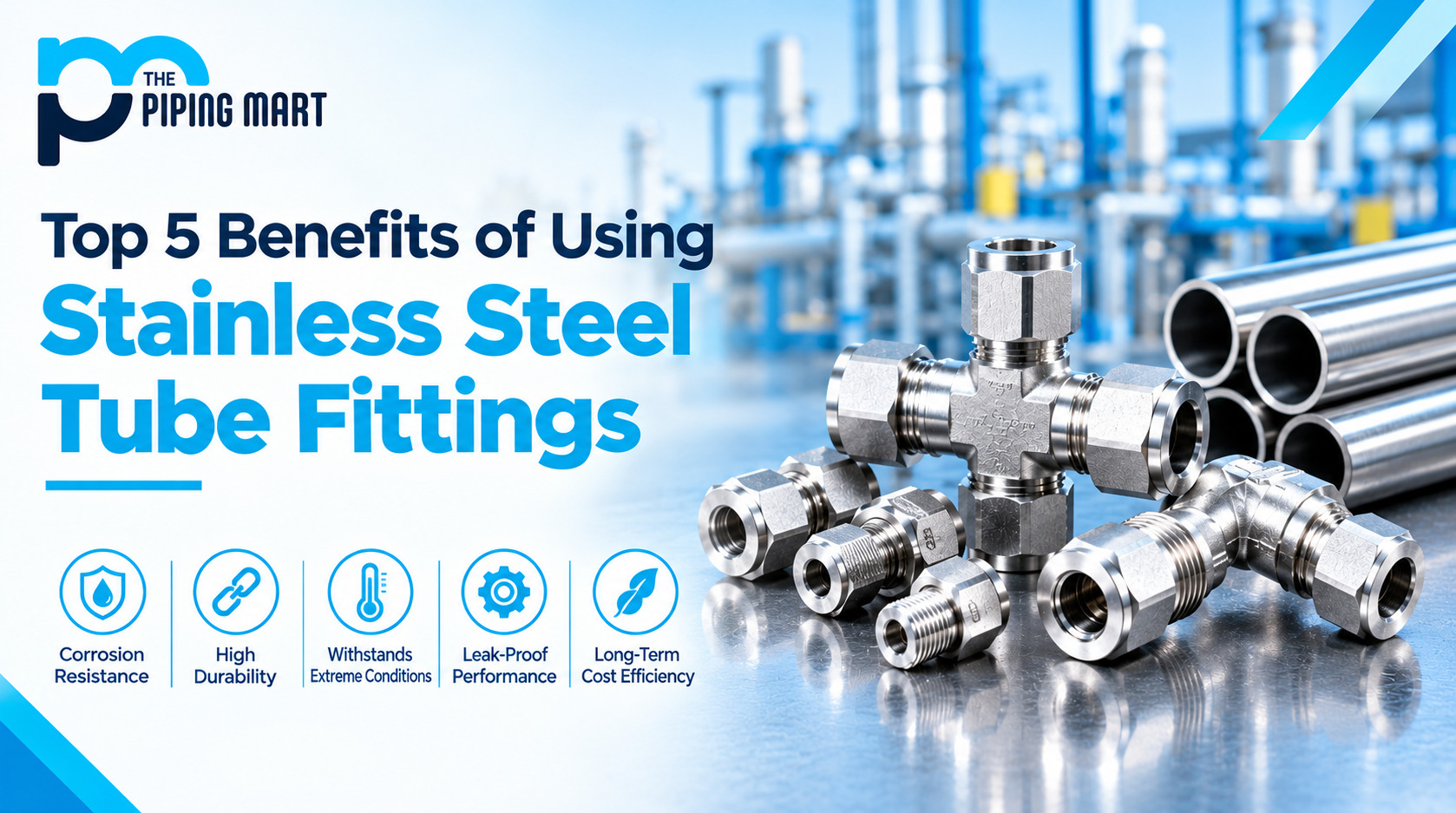
Stainless steel tubing is a hollow cylindrical product made from corrosion-resistant stainless steel and supplied in set grades, outside diameters, wall thicknesses, lengths, finishes, and manufacturing forms. Buyers specify it by outside diameter and wall thickness, which separates it from pipe, where nominal bore and schedule lead the specification. Heat exchangers, food processing lines, instrumentation and chemical plants all rely on it. Grade and dimensions drive price differences, since a 316L tube carries molybdenum that a 304 tube lacks, and a thicker wall consumes more metal per metre. Standard tubing follows catalogue sizes, while specialty tubing adds tight tolerances, exotic alloys, or special testing, as with seamless stainless steel tubes made to order. Specifications therefore come before price comparison.
Stainless Steel Tubing Price List
The table below lists indicative stainless steel tubing price ranges in Indian rupees per kg for common grades. Actual quotations vary with order size, finish, testing, and the current market rate.
| Stainless Steel Tubing Grade | Size / OD | Wall Thickness | Price Range | Unit |
| SS 201 | 6–114.3 mm OD; 6 m length | 0.8–3 mm | ₹180–₹300 | Per kg |
| SS 202 | 6–114.3 mm OD; 6 m length | 0.8–3 mm | ₹200–₹320 | Per kg |
| SS 304 | 6–152.4 mm OD; 6 m length | 0.71–3.25 mm | ₹250–₹450 | Per kg |
| SS 304L | 8–152.4 mm OD; 6 m length | 0.9–3.25 mm | ₹300–₹450 | Per kg |
| SS 310 | 6–152.4 mm OD; 6 m length | 1–6 mm | ₹450–₹700 | Per kg |
| SS 310S | 6–152.4 mm OD; 6 m length | 1–6 mm | ₹480–₹750 | Per kg |
| SS 316 | 6–152.4 mm OD; 6 m length | 0.9–3.25 mm | ₹350–₹500 | Per kg |
| SS 316L | 6–152.4 mm OD; 6 m length | 0.9–3.25 mm | ₹375–₹550 | Per kg |
| SS 316Ti | 6–152.4 mm OD; 6 m length | 1–6 mm | ₹400–₹600 | Per kg |
| SS 317 | 6–114.3 mm OD; 6 m length | 1–6 mm | ₹450–₹650 | Per kg |
| SS 317L | 6–114.3 mm OD; 6 m length | 1–6 mm | ₹480–₹700 | Per kg |
| SS 321 | 6–114.3 mm OD; 6 m length | 1–6 mm | ₹300–₹450 | Per kg |
| SS 321H | 21.3–88.9 mm OD; 6 m length | SCH 10S–SCH 40S | ₹320–₹450 | Per kg |
| SS 347 | 6–114.3 mm OD; 6 m length | 1–6 mm | ₹350–₹500 | Per kg |
| SS 347H | 21.3–114.3 mm OD; 6 m length | 1–6 mm | ₹380–₹550 | Per kg |
| SS 904L | 1/2–10 in. OD; 3 m / 6 m length | 1–6 mm | ₹900–₹1,400 | Per kg |
| SMO 254 / UNS S31254 | 3–203 mm OD; 6 m length | 0.5–20 mm | ₹1,000–₹1,400 | Per kg |
| Duplex 2205 / UNS S32205 | 1/2–8 in. OD; 6 m length | 1–6 mm | ₹450–₹700 | Per kg |
| Super Duplex 2507 / UNS S32750 | 1/2–8 in. OD; 6 m length | 1–6 mm | ₹750–₹1,200 | Per kg |
| Super Duplex S32760 | 1/2–8 in. OD; 6 m length | 1–6 mm | ₹800–₹1,250 | Per kg |
Every price above is an indicative rate per kg, not a per metre, per piece or per length figure. Those rates differ because OD and wall thickness change the weight of each tube.
Stainless Steel Tubing Price Per Kg vs Per Metre
Price per kg links cost to material weight, so it suits bulk orders and mill purchases where tonnage sets the budget. Price per metre links cost to length, so it simplifies comparison between suppliers quoting the same fixed dimensions, such as 12.7 mm OD tube at 1.2 mm wall. The two methods connect through weight per metre. That figure rises with outside diameter and wall thickness, which means a thicker tube costs more per metre even when the per-kg rate stays identical. Buyers who convert one method into the other can compare SS 304 tubes and SS 316 tubes from different suppliers on equal terms.
What Factors Affect Stainless Steel Tubing Price?
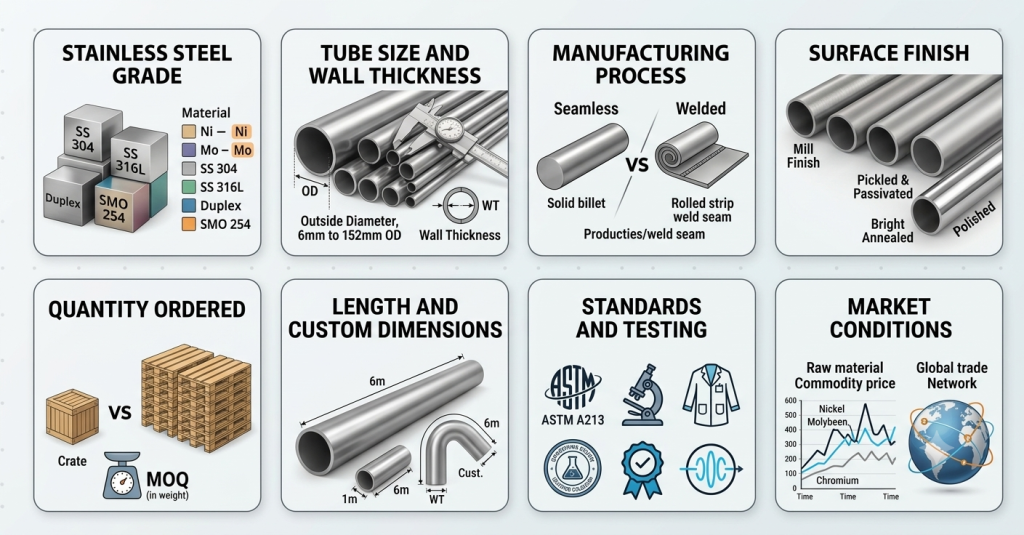
Eight factors move a quotation up or down. Each one changes either the raw material consumed, the labour and machine time involved, or the paperwork that follows the final order.
Stainless Steel Grade
Alloy composition sets the base price. SS 316L adds molybdenum to the chromium and nickel of SS 304; SS 321 and SS 347 add titanium and niobium respectively; and SS 904L and SMO 254 carry the highest nickel and molybdenum, which lifts them to ₹900 to ₹1,400 per kg.
Tube Size and Wall Thickness
Larger outside diameter and thicker walls consume more metal, so weight per metre climbs, and the price per metre follows. SS 304 tubes span 6 mm to 152.4 mm OD and 0.71 mm to 3.25 mm wall, so two quotes for the same grade can differ sharply per metre.
Manufacturing Process
Seamless tubing starts as a solid billet that is milled and pierced, which costs more than welded tubing, where rolled strip closes into a seam. Cold-drawn tubing adds drawing passes that tighten tolerances and increase strength. Precision tubing adds further controls on dimensions and finish, so each step raises the cost.
Surface Finish
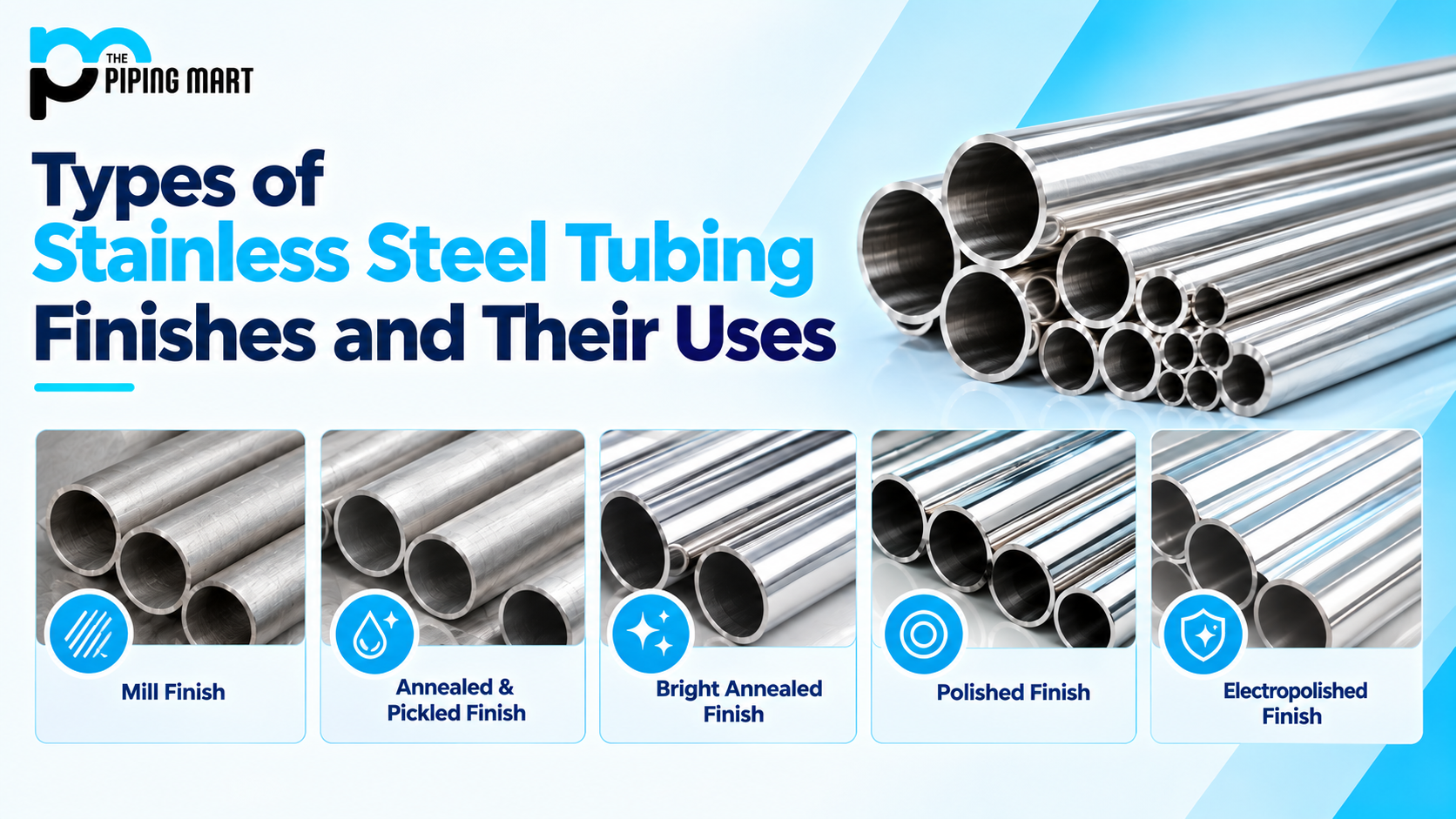
Mill finish carries the lowest price because it needs no extra work after production. Pickled and passivated tubes undergo acid treatment that restores the corrosion-resistant surface. Bright annealed tubes need controlled atmosphere furnaces, and polished tubes need abrasive grinding and buffing, so each added operation raises the rate.
Quantity Ordered
Bulk orders lower the rate per kg because mills spread setup, cutting, and handling costs across more tonnage. Mills set minimum order quantities, and lots below that threshold carry a price premium. A full production batch of one grade and size gives buyers the strongest pricing position.
Length and Custom Dimensions
Standard lengths of 3 m and 6 m move through production and stock without extra work. Nonstandard cut lengths, tight tolerances, and custom diameters add cutting, straightening, inspection, and rejection losses. Handling of long or irregular lengths also adds freight and packing costs, which raise the final quotation.
Standards and Testing
Compliance with a standard such as ASTM A213 or A269 sets the testing scope. Hydrostatic, eddy current, ultrasonic and intergranular corrosion tests, along with mill test certificates, traceability and third-party inspection, add laboratory time and documentation costs to every quotation. Each extra requirement lengthens lead time.
Market Conditions
Nickel, chromium and molybdenum prices move the base rate of every grade, with nickel having the largest effect on austenitic grades. Energy costs, freight rates, currency movements, and demand cycles add further swings, which explains why quotations carry a validity period and why rates differ between enquiry dates.
How to Calculate the Total Cost of Stainless Steel Tubing
Total Material Cost = Quantity × Unit Price
For weight-based purchasing, the formula becomes
Total Cost = Total Weight × Price per Kg
Where total weight equals weight per metre multiplied by total length. The final procurement cost then adds further items: Material + Processing + Testing/Certification + Packaging + Freight + Applicable Taxes. Each item shifts with the specification, so buyers should request an itemised quotation that separates each charge. Weight per metre follows from OD and wall thickness, so both dimensions belong in every request.
Conclusion
A stainless steel tubing price list works as an initial reference, but the purchase price depends on the full specification and current market conditions. Quotations compare fairly only when grade, dimensions, standard, finish, quantity, testing requirements, and delivery terms match across every supplier. A change in any one of them shifts the rate. Buyers who request an itemised quotation and verify the mill test certificate before ordering protect the budget against mismatched or incomplete specifications.
FAQs
What is the price of stainless steel tubing per kg?
Stainless steel tubing costs ₹250 to ₹450 per kg for SS 304, ₹350 to ₹550 for SS 316 and 316L, and ₹900 to ₹1,400 for SS 904L and SMO 254.
How much does stainless steel tubing cost per metre?
Weight per metre times the per-kg rate gives the figure. A 12.7 mm OD, 1.2 mm wall SS 316 tube weighs 0.34 kg per metre, about ₹120 to ₹170.
Which factors affect stainless steel tubing prices?
Grade, outside diameter, wall thickness, manufacturing method, finish, quantity, length, testing requirements, and raw material costs together set the price on each quotation, with grade and wall thickness weighing most.
Is 316 stainless steel tubing more expensive than 304 tubing?
Yes. SS 316 tubing sells for ₹350 to ₹500 per kg against ₹250 to ₹450 for SS 304, because molybdenum raises its alloy cost. SS 316L reaches ₹550.
How do tube size and weight affect stainless steel tubing cost?
Larger OD and thicker walls raise weight per metre, so price per metre climbs. Give the exact OD and thickness to the supplier before ordering to ensure accuracy.
How can I get an accurate stainless steel tubing quotation?
Specify grade, OD, wall thickness, length, finish, standard, quantity, and testing needs in a single enquiry. Suppliers then return comparable quotes, provided delivery terms appear in the request too.